Water Damage Restoration Lindenwold, NJ
Lindenwold homes, apartments and shops with flooded floors, split pipes or sewer backups get a drying plan built around the property. The mitigation team extracts standing water, opens wet materials and logs moisture until readings say dry.
(888) 471-9821Call the Camden County drying crew- Round-the-clock dispatch
- Kirkwood and Lucastown included
- Extraction before demolition
- Readings logged daily
Five moves while water is still spreading
- 1
Stop the source
Close the shutoff at the fixture or the main valve. If water rises through a drain, stop using every sink, tub and toilet.
- 2
Kill wet circuits
Switch off breakers serving wet rooms before stepping into standing water. Leave plugged-in items near the flooding alone.
- 3
Street or inside?
Water surfacing in the street points to a main, which New Jersey American Water owns. Water inside the walls is a private-side problem.
- 4
Photograph first
Shoot the water level, damaged finishes and wet belongings before anything moves, so the claim file starts complete.
- 5
Block up and call
Raise furniture legs onto blocks, pull up small rugs and call the drying crew so extraction starts early.
Water damage services in Lindenwold
Each job begins with tracing the source, then removing the water and drying the structure until readings settle.
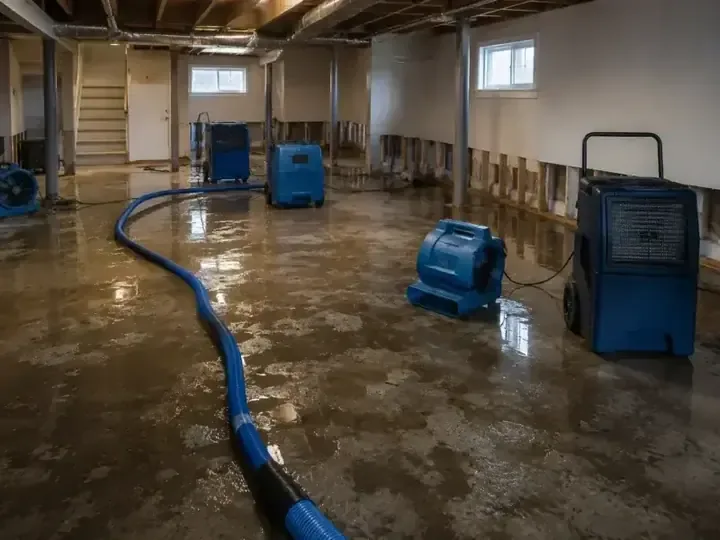 Water Extraction and RemovalExtractors pull standing water off floors and stairs before drying equipment goes in.What the crew does
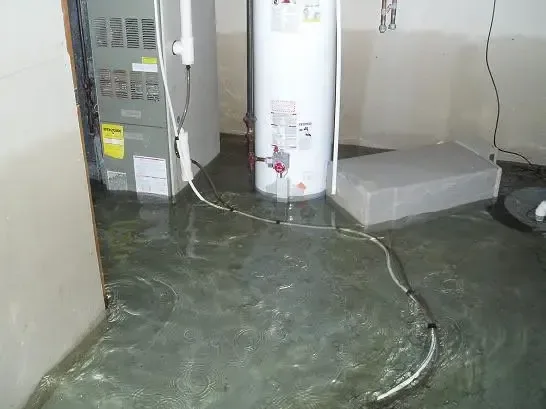 Basement Flooding CleanupA flooded low level is pumped out, stripped of soaked finishes and dried.What the crew does
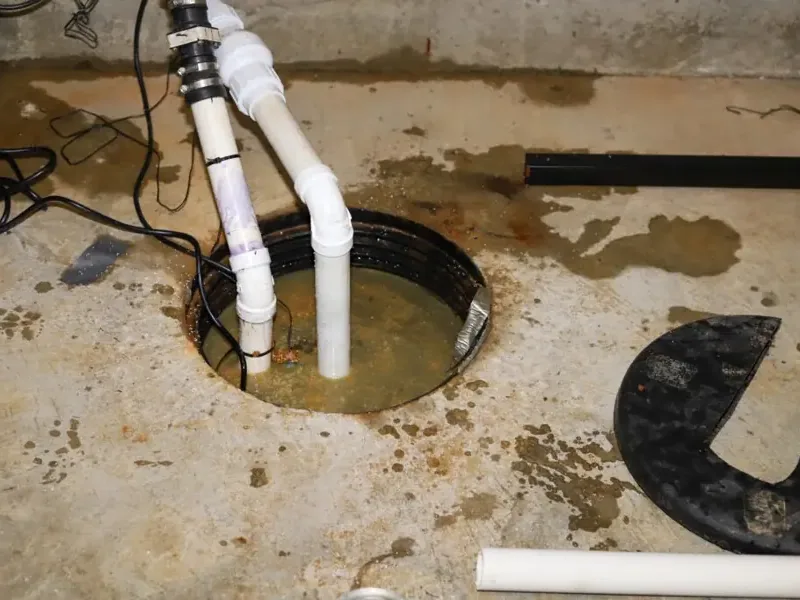 Sump Pump Failure CleanupA stalled pump or overflowing pit means water removal first, then drying of whatever it touched.What the crew does
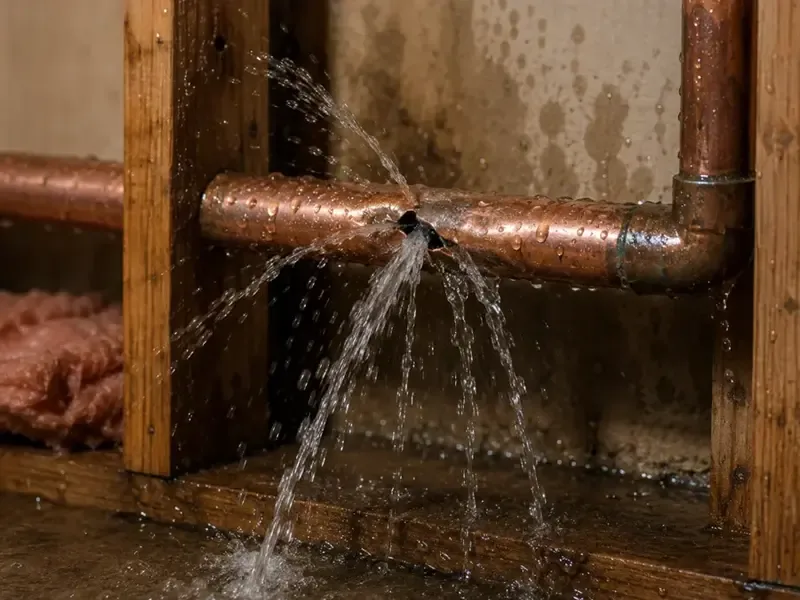 Burst Pipe CleanupA split pipe is shut off, the wet cavities are opened and the structure dries to readings.What the crew does
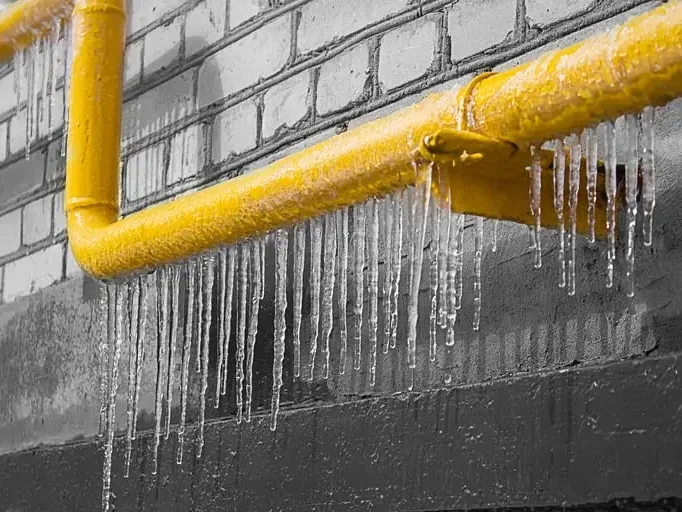 Frozen Pipe CleanupCold-cracked pipes flood at the thaw; wet walls and ceilings get opened and dried.What the crew does
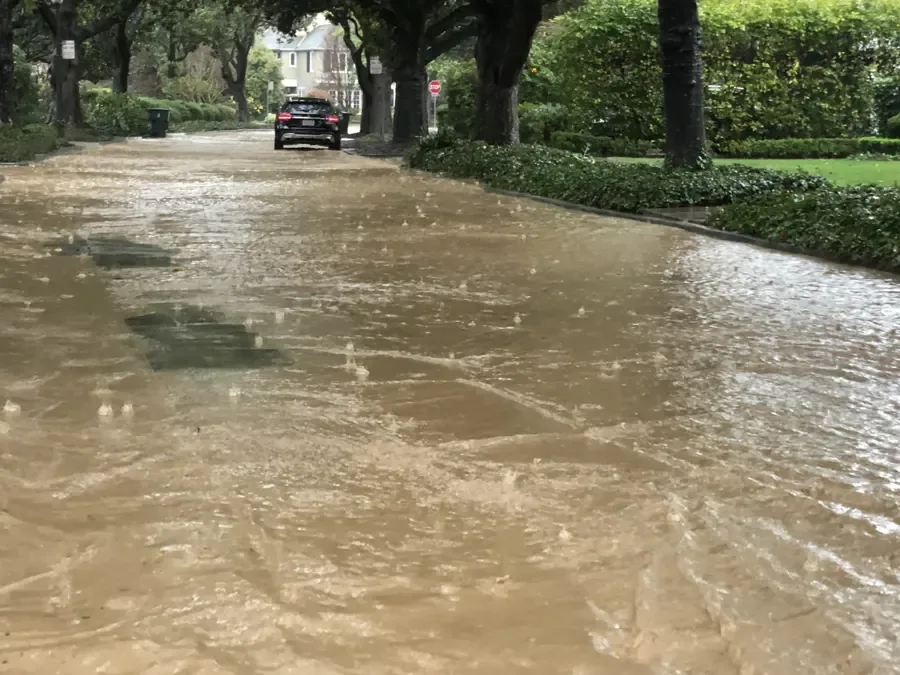 Storm and Flash Flood CleanupStorm runoff and flash flooding bring silt and contaminated water, so removal and disinfecting come first.What the crew does
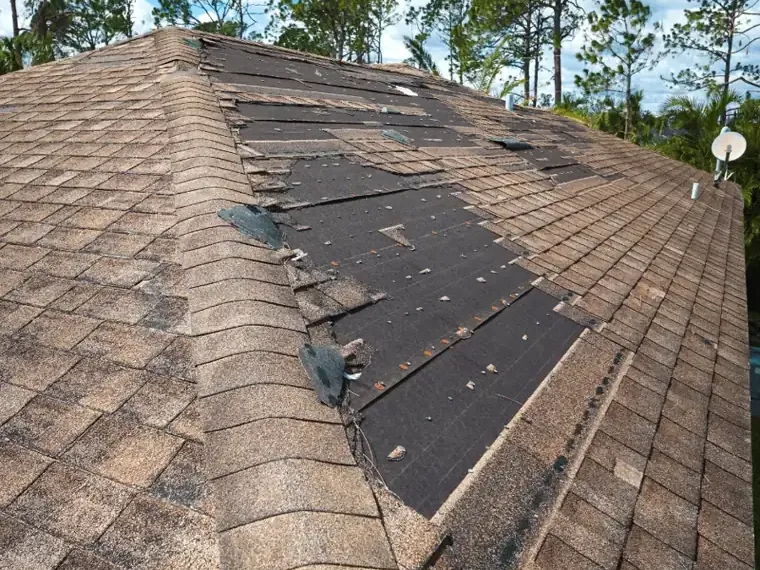 Roof Leak Water DamageRoof leaks soak insulation and ceilings from above; the crew maps the wet areas and dries them.What the crew does
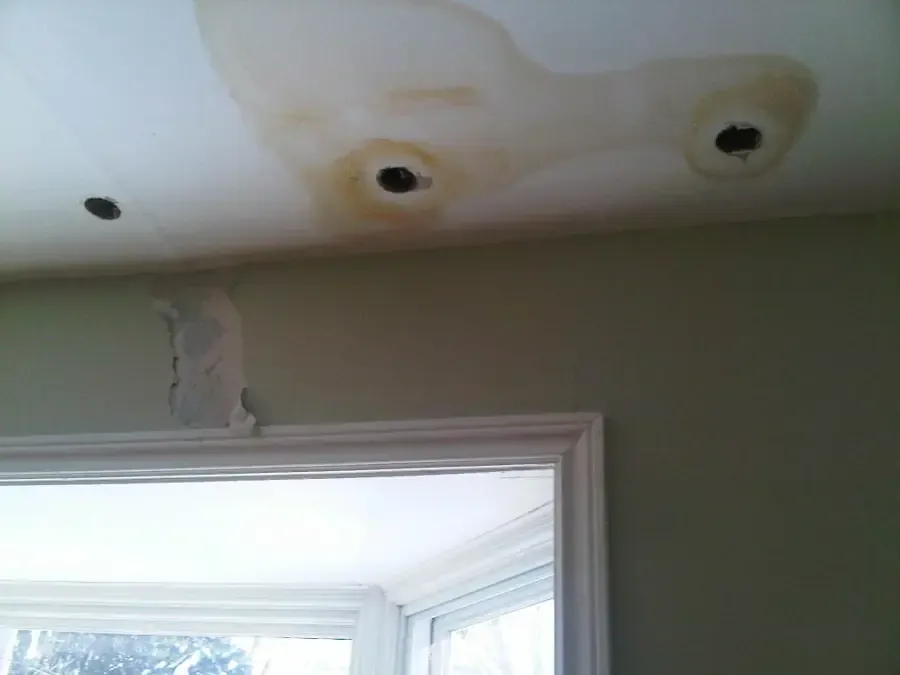
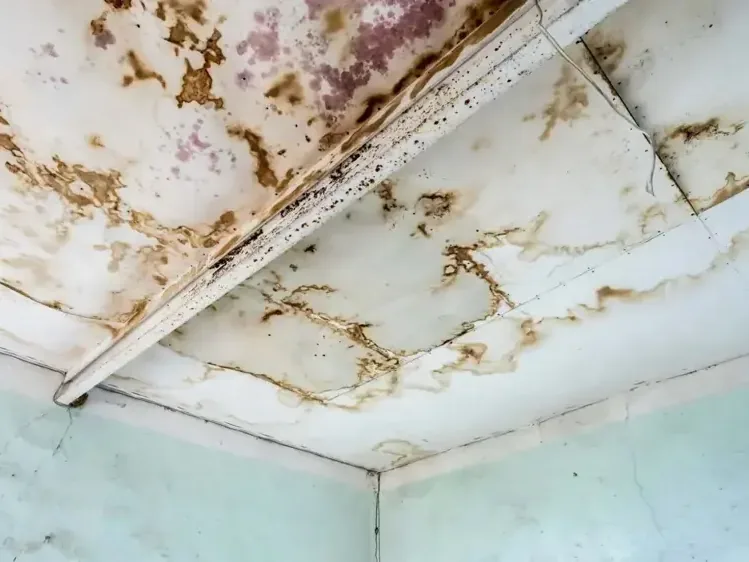 Ceiling Leak Water DamageA stained or sagging ceiling holds water above it, so the source is traced and dried.What the crew does
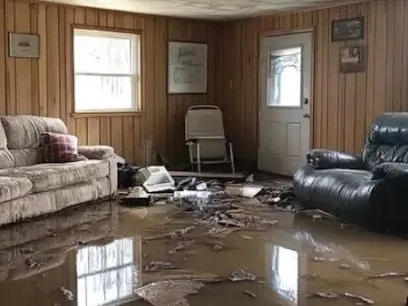
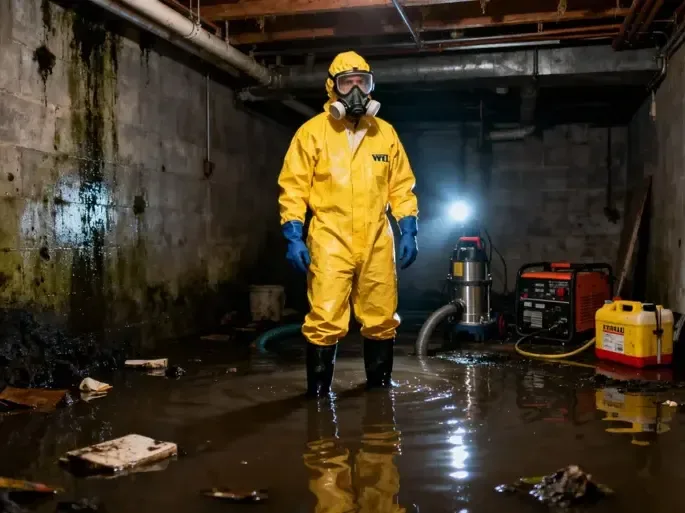 Sewage Backup CleanupSewage in a tub, drain or lower floor gets contained, removed and disinfected with protective gear.What the crew does
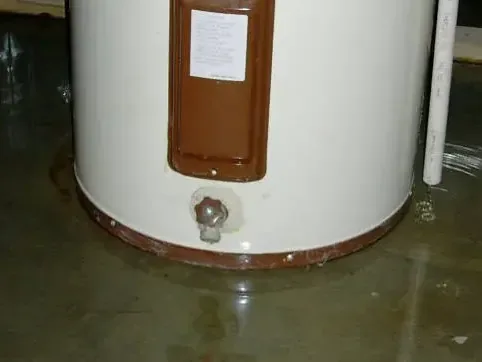 Water Heater Leak CleanupA leaking tank floods its room; extraction and wall drying follow the shutoff.What the crew does
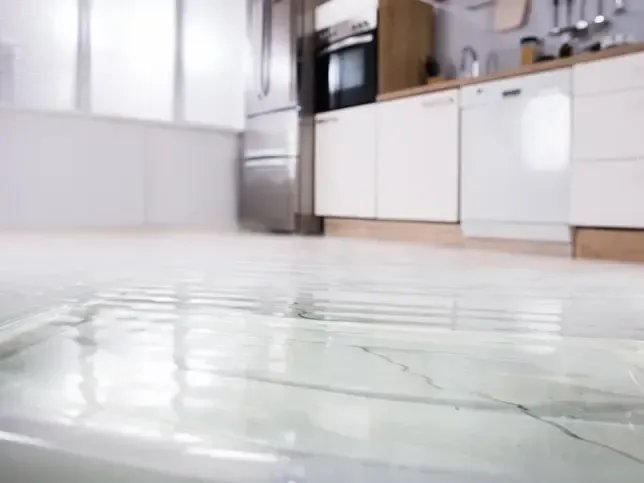 Appliance and Supply Hose LeaksWasher, dishwasher and refrigerator hose leaks soak floors and cabinets unseen, so moisture mapping comes first.What the crew does
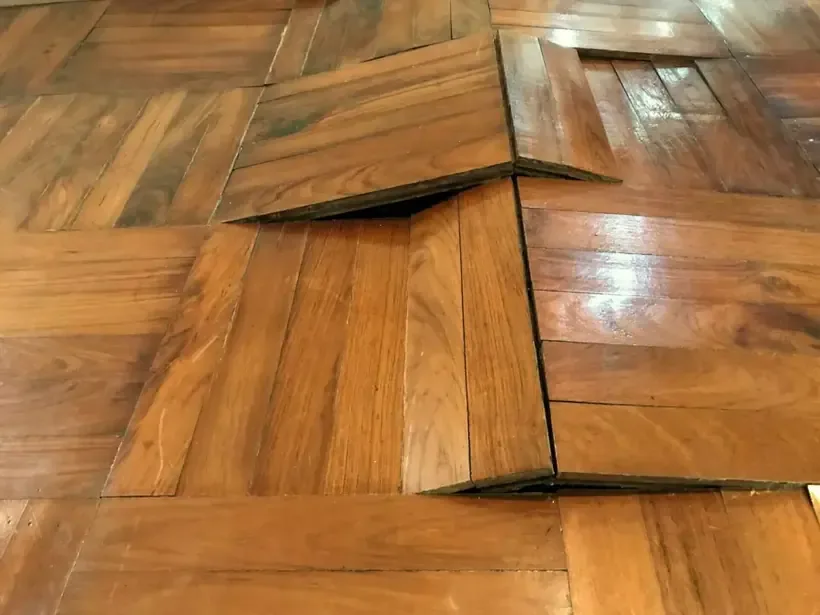 Hardwood Floor Water DamageCupped or buckled boards are dried with mat systems when possible, before replacement is considered.What the crew does
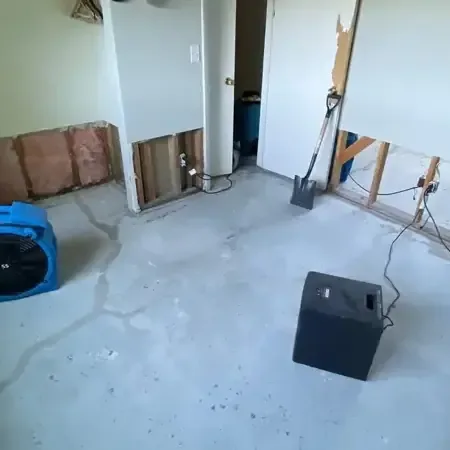
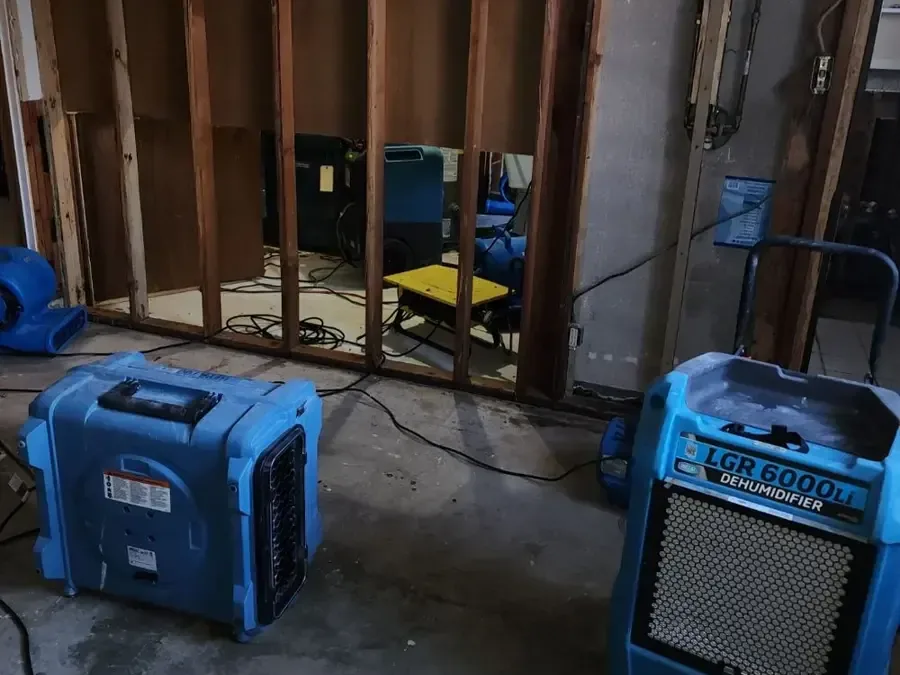 Structural Drying and DehumidificationWet framing and subfloor dry under controlled airflow, with dehumidifiers and daily moisture logs.What the crew does
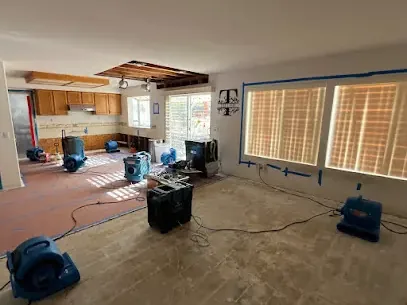 Commercial Water DamageShops, offices and apartment buildings get phased drying plans that protect tenants and open hours.What the crew does
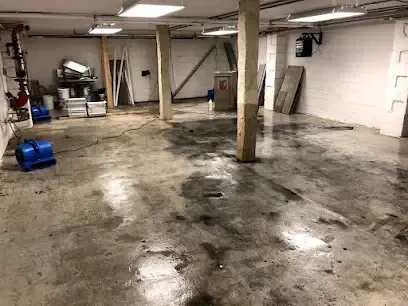
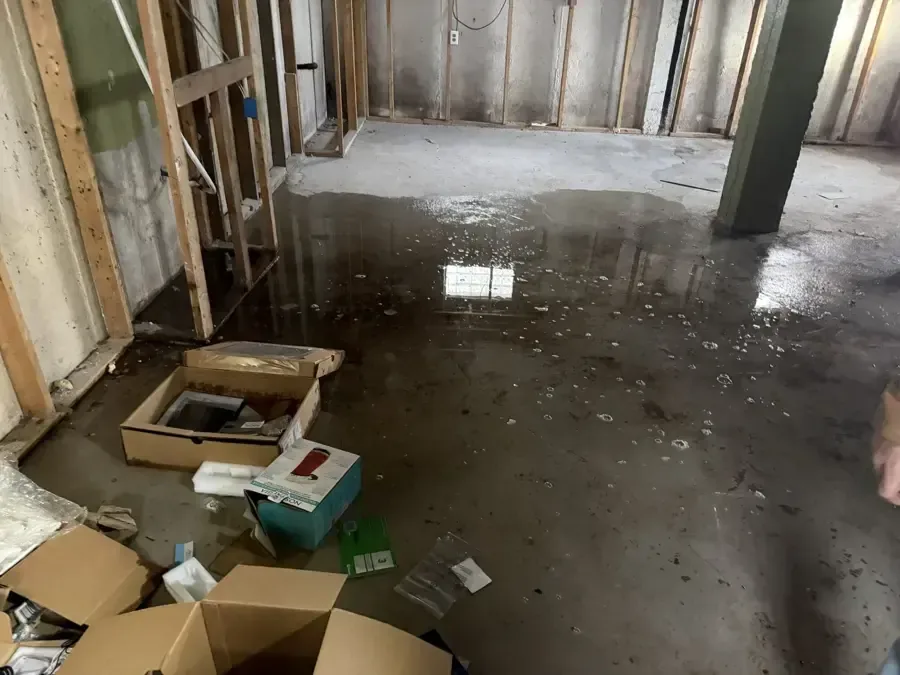
Flooded lower levels need pumping before drying can start
- Standing water sits against the walls and soaks carpet pad, so extraction removes that load before any air movers run.
- Drain or fixture overflow below grade can carry sewage, so the crew treats that water as contaminated until a source is confirmed.
- Pad, baseboard and soaked drywall come out, the structure is dried to readings and daily logs show when the lower level is finished.
Drying plans built for the property, not a template
Every job starts with a walkthrough, moisture readings and a written plan, so the work follows what the structure actually shows.
Night and weekend response
Floods and burst pipes ignore business hours, so dispatch runs nights, weekends and holidays with equipment matched to the caller's description.
Moisture-mapped scope
Thermal cameras and meters show where water traveled, so only wet material gets removed and dry areas stay untouched.
Claim-ready records
Photos, readings and equipment logs are kept for each visit so an adjuster can follow the job from start to finish.
Multi-unit awareness
Apartment communities share floors and ceilings, so crews check neighboring units for moisture before calling a job finished.
Four steps from wet to confirmed dry
Each project follows the same measured sequence, so nothing is guessed and the final numbers can be shown to an adjuster or property manager.
- 1
Map it
Moisture meters and thermal imaging trace the wet area through floors, walls and ceilings, then the crew marks what stays and what gets removed.
- 2
Remove the water
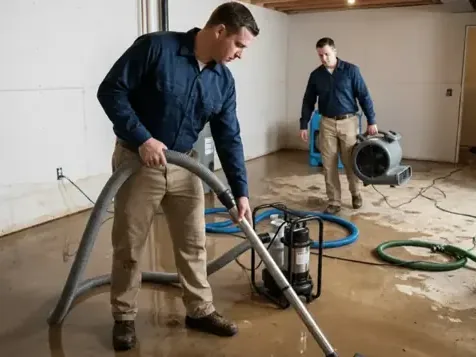
Extractors pull standing water first, because every gallon left behind slows drying; soaked pad and swollen baseboard go out at the same visit.
- 3
Dry the building
Air movers and dehumidifiers run against the wet framing and subfloor, and readings are taken each visit so equipment can be moved or pulled.
- 4
Confirm it
The job closes only when readings match dry reference points, and the log goes into the claim file for the adjuster.
- Psychrometric logs kept
- Equipment moved as walls dry
- Dry standard confirmed
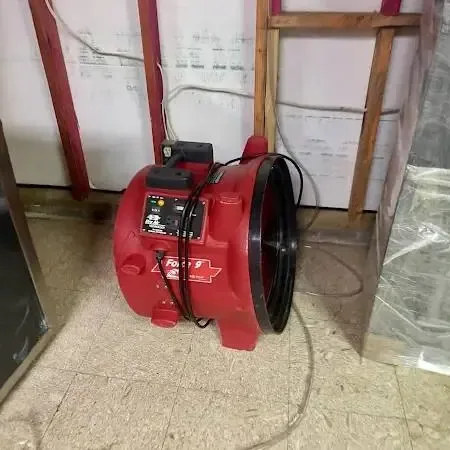
Equipment the crews bring
What water damage cleanup costs here
Cost follows three things: how clean the water was, how many rooms it reached and how long it sat. Small clean-water jobs sit at the low end, while sewage or storm losses across a whole level reach the top tier.
Small clean-water job
$1,200 to $3,500
- Extraction and wet pad removal
- Spot drying setup
- Minimal tear-out
Several rooms affected
$3,500 to $8,000
- Wall and flooring removal
- Multi-day dehumidification
- Moisture logs each visit
Whole level, contaminated
$8,000 to $12,000+
- Category 3 tear-out
- Antimicrobial and HEPA
- Full structural drying
Ranges are typical starting points, not quotes. A walkthrough with moisture readings sets the real figure, and insurance coverage varies by policy.
Records an adjuster can follow
Adjusters work from what the file shows, so every visit adds dated photos, moisture readings and equipment records to one running set of documents.
Policies differ on sudden versus gradual water and on sewer backup, so the policyholder should confirm coverage with the carrier. The crew documents conditions as they are found and leaves the coverage decision to the insurer.
- Dated photos of every affected room and surface
- Moisture readings and psychrometric logs from each visit
- Equipment placement notes and daily run times
- Itemized list of removed flooring, pad and drywall
- Notes on affected belongings and their condition
Three ways water gets into a building
Most calls trace back to a handful of sources, and each one calls for a different first move.
Split supply pipes
A failed pipe inside a wall can run for hours before a stain shows, so shutoff comes first.
Burst pipe cleanupFailed appliance hoses
Washer and dishwasher hoses leak slowly behind cabinets and under floors, so the damage is wider than the wet spot.
Appliance leak cleanupDrain and sewer backups
When wastewater cannot leave, it can rise through fixtures below grade, and it counts as contaminated from the start.
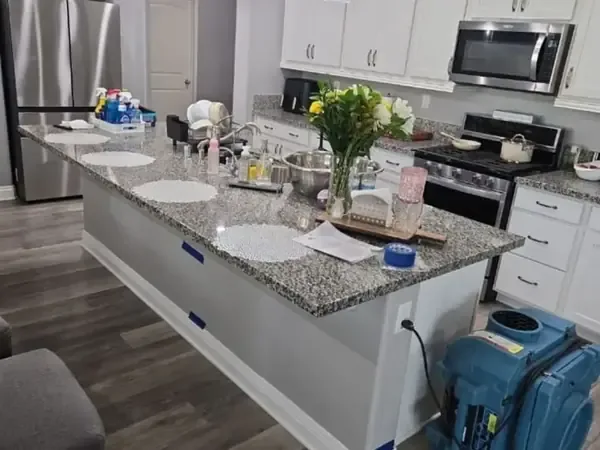
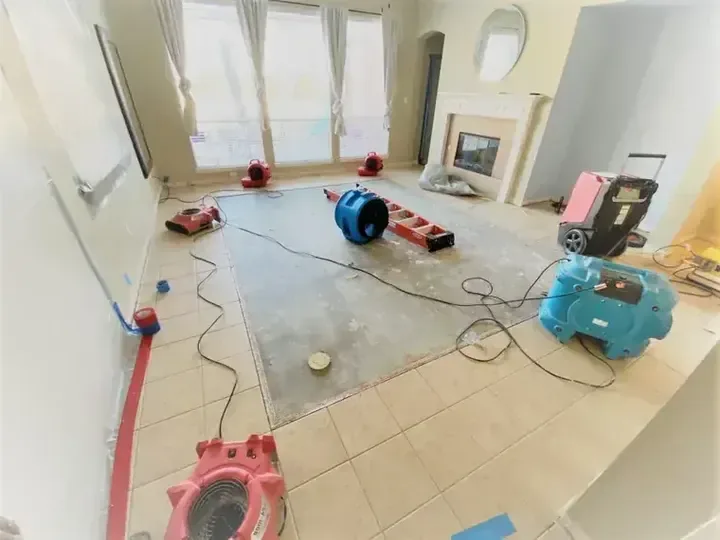
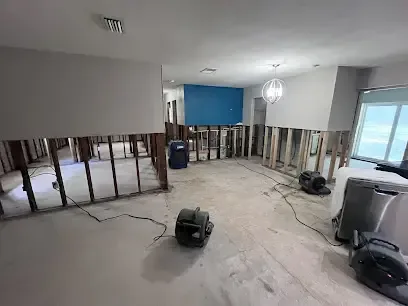
Sewage backup cleanupWhat active drying looks like
Lindenwold areas the crews cover
Crews cover the borough, including the Kirkwood and Lucastown place names and the roads through it.
Reaching a drying crew from anywhere in the borough
Dispatch covers every part of the borough at any hour. Describing the source, the rooms affected and any standing water lets the crew load the right pumps, meters and dehumidifiers before heading out.
- Lindenwold, NJ
- (888) 471-9821
- Open around the clock, every day
Place names inside the borough
- Kirkwood
- Lucastown
Main corridors
- North White Horse Pike
- U.S. Route 30
- Gibbsboro Road
- Berlin Road
- Linden Avenue
Streets near recent main work
- East Elm Avenue
- South Holland Street
- Myrtle Avenue
- Myrtle Court
ZIP code covered
Water risks that matter in Lindenwold
Public records point to a few ways water reaches properties here: heavy rain, aging mains and drainage rules.
- A Camden County downpour on August 10, 2009 dropped 2.39 inches of rain on Lindenwold, a reminder that a short storm can leave standing water.
- On June 19, 2019, severe storms and flash flooding suspended PATCO service between Lindenwold and Broadway stations, and the Courier-Post reported that part of the track bed washed away.
- New Jersey American Water owns and replaces aging mains here, including about 2,140 feet along East Elm Avenue, South Holland Street, Myrtle Avenue and Myrtle Court from March 2022.
- The borough's Sewer Department maintains borough sewer pipes up to the curbline, and the sewer code requires backwater valves on the resident's property for fixtures below grade.
Questions property owners ask
Short answers on what to do first, what the work involves and how claims and borough rules fit in.
Ask a drying specialist directlyWhat should I do first when water is spreading?
Shut off the water at the fixture or main valve, switch off breakers to wet rooms and move belongings up off the floor. Then photograph the damage and call a drying crew so extraction can start.
Who handles a water main break outside?
New Jersey American Water owns and replaces aging mains in the borough. A break in the street is reported to the utility, while a leak inside walls, ceilings or fixtures stays on the private side.
Can a sewer backup start on the property owner's side?
Per the borough code, sewer pipes are maintained only up to the curbline, and problems on the resident's side of the curb are the homeowner's cost. The code also requires backwater valves for fixtures below grade.
Does a flooded low level count as a sewage problem?
It can. Water that rises through a floor drain, tub or toilet is treated as contaminated, and containment, removal and disinfecting follow different steps than clean supply water, and sewage backup cleanup uses a strict containment routine.
Why do ceiling stains show up in apartment units?
Water travels along joists and pipe runs, so a stain in one unit can trace back to the unit above. Apartment communities such as Lindenwold Towers and Linden Lake Senior Apartments are part of the housing here.
Do roof repairs need a permit or a registered contractor?
The Construction Office lists re-roofing among permit types, and home improvement contractors must be registered with the New Jersey Department of Consumer Affairs before permits can be issued. Water cleanup is a separate trade from roofing.
How long does drying usually take?
It depends on the materials, the water category and how long the water sat. Daily moisture readings decide when equipment comes out, not a calendar, so the job ends when wet areas read dry.
What happens if the water has been sitting?
Waiting lets moisture soak into framing and subfloor, and mold can start within a day or two, so an early call beats a late one. Anything that sat in sewage or storm water is removed rather than dried.
Does the crew work in apartments and shops too?
Yes. Multi-unit and commercial water damage jobs get containment, phased drying and after-hours work where needed, and neighboring units or suites are checked for moisture so damage is not left behind.
Should I call my insurance company first?
Reporting the loss early is wise, but emergency water removal should not wait for an adjuster. Photos and the crew's moisture records go into the claim file so the adjuster sees the full picture.
Lindenwold water damage crews are standing by
Describe the source, the rooms involved and what is standing, and the drying team will plan extraction, removal and monitoring around the property.