Storm and Flash Flood Cleanup in Lindenwold, NJ
After a downpour pushes water into a house or building, the cleanup crew removes silt and standing water, disinfects what it touched and dries the structure.
(888) 471-9821Call about the storm flooding- Silt and debris cleared
- Flood water disinfected
- Structure dried to readings
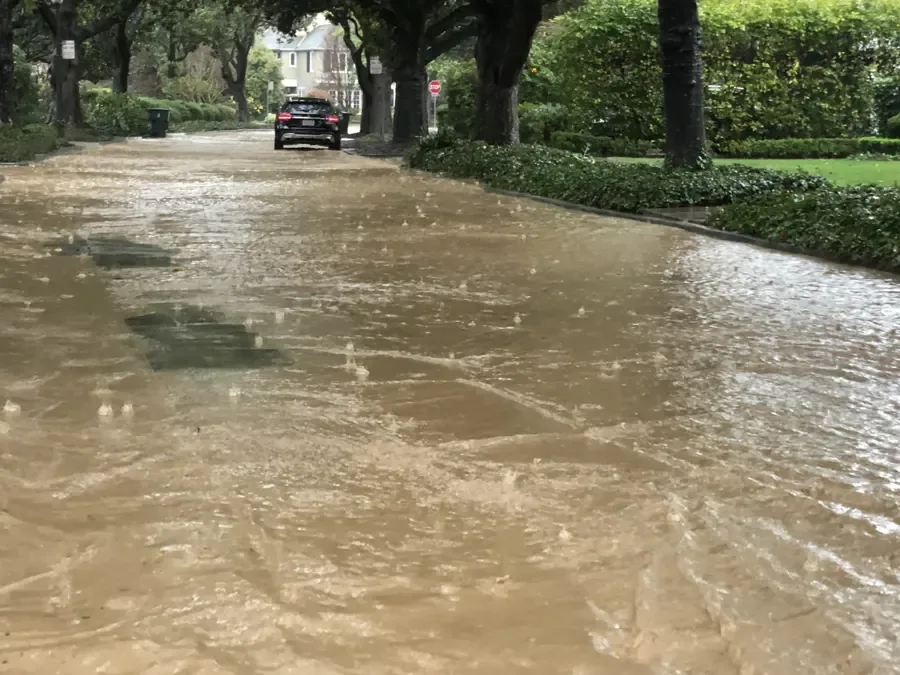
First moves for storm and flash flood cleanup
- 1
Stay out of the water
Moving flood water can hide debris and live wiring.
- 2
Cut power safely
Switch off breakers from a dry spot and avoid wet outlets.
- 3
Mark the high point
Note the high-water mark on walls and furniture.
- 4
Pull valuables up
Move papers and electronics to a dry floor, wearing gloves near contaminated items.
How storm and flash flood cleanup is handled in Lindenwold, NJ
Each step follows the IICRC S500 drying standard and leaves a record for the claim file.
- 1
Assess the flood
The crew checks depth, debris and the rooms reached before anything is touched.
- 2
Clear and remove
Silt, debris and porous materials soaked by storm water are removed.
- 3
Disinfect and treat
Surfaces are cleaned and treated, with air scrubbers running during demolition.
- 4
Dry and document
Dehumidifiers run to readings, and photos and logs are kept for the claim.
What does storm and flash flood cleanup cost in Lindenwold, NJ?
Storm flooding costs more than a clean leak because the water is contaminated and silt has to be removed. The total depends on depth, how many rooms were reached and how much porous material has to come out.
Garage or one low room
$3,000 to $7,000
- Silt and water removal
- Category 3 disposal
- Disinfecting
Basement or several rooms
$7,000 to $15,000
- Flood cuts and insulation out
- Contents removed
- Structural drying
Whole level, deep water
$15,000 to $35,000+
- Full Category 3 removal
- Desiccant drying
- Long monitoring
Ranges move with the water category, the square footage, the material class and how fast drying started. For a planning number, run the water damage cost calculator.
Storm water is not clean water. It carries silt, yard debris and whatever it crossed on the way in, so the cleanup starts with removal rather than just drying. A Camden County downpour on August 10, 2009 dropped 2.39 inches of rain on Lindenwold, a reminder of how quickly a short storm can leave water behind.
When flash flooding hits this part of Camden County
On June 19, 2019, severe storms and flash flooding suspended PATCO service between Lindenwold and Broadway stations, and the Courier-Post reported that part of the track bed washed away. The event shows how hard a fast storm can strike here.
- Mud, silt and debris are shoveled and vacuumed out before surfaces are treated.
- Porous materials that sat in storm water, such as carpet, pad and drywall, are removed.
Removal, disinfecting and drying
After the heavy material is out, surfaces are cleaned and disinfected, and air scrubbers run during demolition to keep dust contained. Drying begins once the space is clear of anything that would hold contamination.
- LGR dehumidifiers and air movers run on the structure, with daily readings guiding the equipment.
- Contents are sorted into items that can be cleaned and items that cannot.
Documentation for the claim
Coverage for storm water depends on the policy, so the carrier decides what applies. The crew keeps photos, readings and removal notes, and the borough code includes a Flood Hazard Areas chapter that owners can ask the Construction Office about before rebuilding.
Where water reached a low room, the basement flooding page covers the pumping and drying steps in more detail. Smaller leaks inside the same building are handled through water damage services in the borough.
Storm and flash flood cleanup across Lindenwold and nearby towns
Storm cleanup covers the whole borough, including properties near the station area, along U.S. Route 30 and North White Horse Pike, and in Kirkwood and Lucastown, wherever heavy rain left water behind.
The same service nearby: storm and flash flood cleanup in Marlton, Stratford, Somerdale.
Related water damage services in Lindenwold
Storm and Flash Flood Cleanup questions
Short, plain answers on storm and flash flood cleanup, from the first call to the last moisture reading.
Run the details past 24/7 dispatchIs flood water from a storm safe to touch?
No. Storm water carries silt and contamination, so gloves, boots and removal by a trained crew are the safe route.
What gets thrown out after a storm flood?
Porous materials that sat in the water, such as carpet, pad, insulation and soaked drywall, are removed. Hard goods are usually cleaned and kept.
Does the crew disinfect surfaces?
Yes. After the heavy material is out, surfaces are cleaned and treated, and air scrubbers run during demolition to keep dust contained.
How can a short storm cause so much damage?
One Camden County downpour on August 10, 2009 dropped 2.39 inches of rain on Lindenwold. When that much falls quickly, water can reach low rooms faster than yards and drains can move it.
Is there a flood rule in the borough code?
The borough code includes a Flood Hazard Areas chapter, so owners rebuilding after a flood can ask the Construction Office what applies.
Does the cleanup cover roof or window damage?
Not the repair. The crew handles the water and drying, and a roofer or window installer handles the openings that let the rain in.
Clear the silt and dry the rooms
Describe how high the water got and what it touched, and the crew will plan removal, disinfecting and drying around it.