Water Damage Restoration Berlin, NJ
Wet floors, soaked drywall and sewage backing out of a drain all start the same clock in a Berlin home. The drying team extracts the water, opens what stayed wet and logs readings until the building is dry.
(888) 471-9821Call for extraction and drying- Open around the clock
- Truck-mounted extraction
- Readings logged daily
- Claim-ready photo records
Five moves that limit the damage
- 1
Stop the source
Close the shutoff valve for a pipe or appliance leak. After a sewage backup, stop using toilets, tubs and sinks until the drain is cleared.
- 2
Cut power to wet rooms
Switch off breakers that feed wet outlets, ceiling fixtures and appliances before anyone walks through standing water.
- 3
Record the damage
Take wide and close photos of the high-water mark, wet finishes and affected belongings before anything moves. Adjusters work from that record.
- 4
Lift what can go
Raise small furniture onto blocks and move electronics out. Camden County officials advised discarding carpeting and rugs that cannot be washed and disinfected after the June 2019 flood.
- 5
Call before cleanup
Report the loss to the carrier, then call the restoration team before demolition so extraction and removal follow one plan.
Services for every kind of water loss
From a slow supply hose to a flooded lower level, each water loss gets its own method, equipment list and price range.
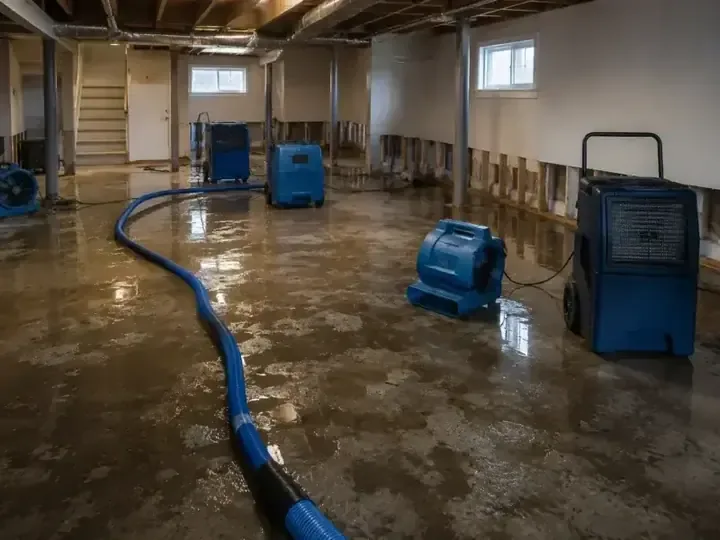 Water Extraction and RemovalExtractors pull standing water off floors and out of carpet pad before it wicks into walls.What the crew does
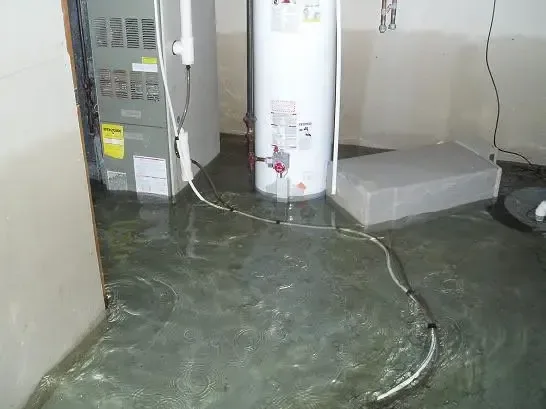 Basement Flooding CleanupPumping, slab drying and removal of soaked finishes for lower levels that took on rain or groundwater.What the crew does
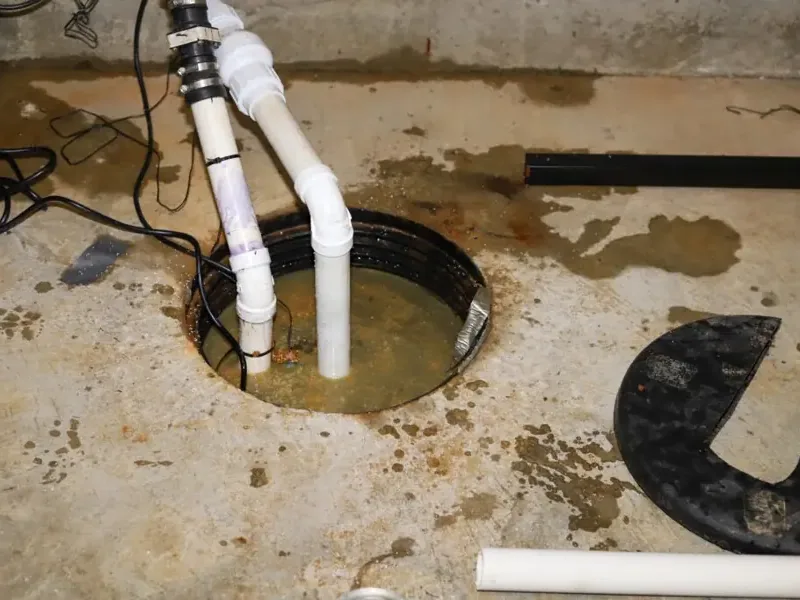 Sump Pump Failure CleanupCleanup after a pit overflows or a pump quits mid-downpour, with drying set by moisture readings.What the crew does
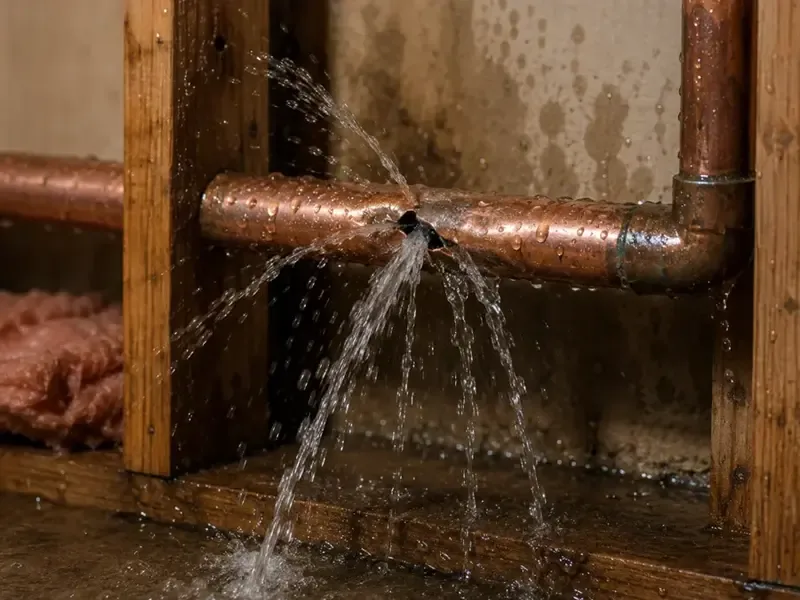 Burst Pipe CleanupFast extraction, opened cavities and drying after a split pipe or failed fitting floods a room.What the crew does
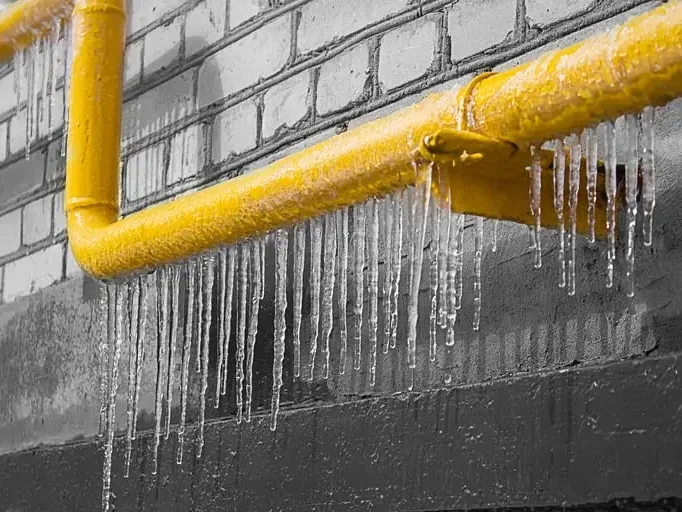 Frozen Pipe CleanupWater cleanup for the thaw that follows a frozen pipe, including the walls and ceilings below.What the crew does
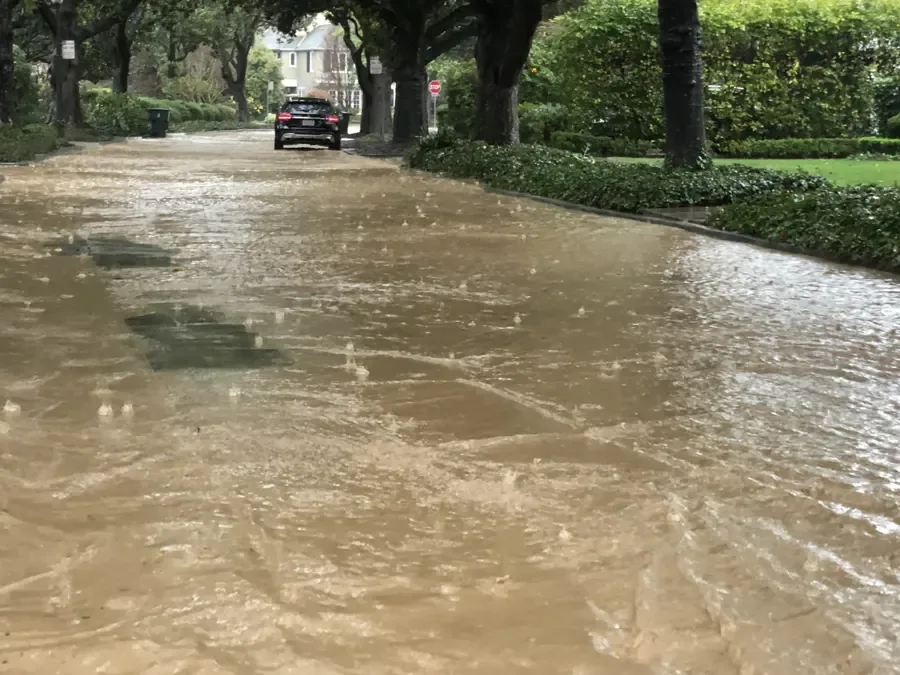 Storm and Flash Flood CleanupSilt, runoff and Category 3 water removed from garages and lower rooms after a flash flood.What the crew does
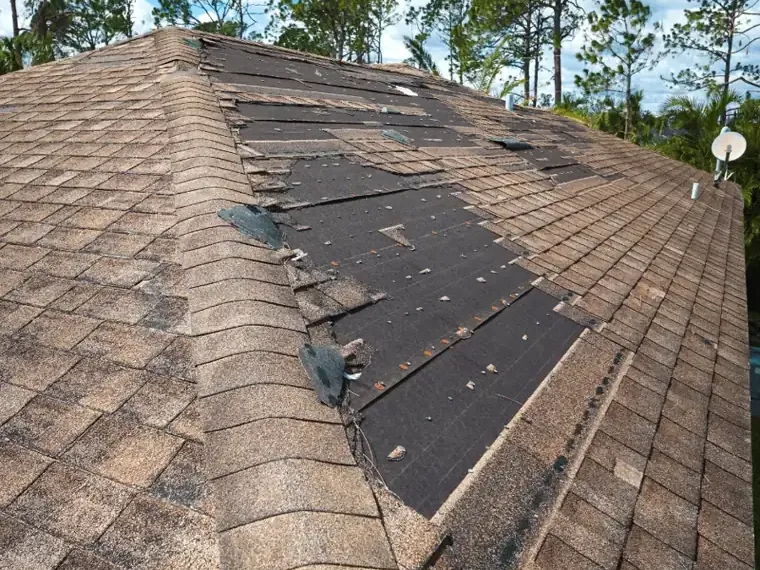 Roof Leak Water DamageWet insulation, stained ceilings and soaked wall cavities dried after wind or rain finds a way in.What the crew does
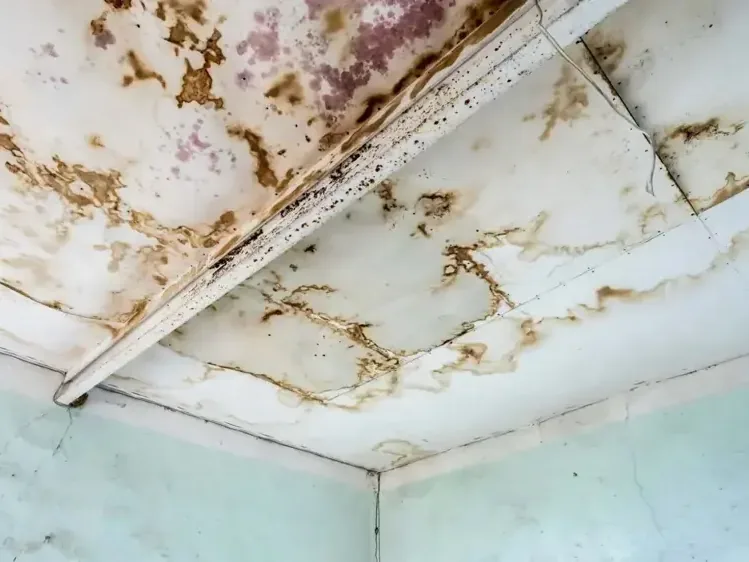 Ceiling Leak Water DamageMoisture mapping, targeted drywall removal and joist bay drying for ceilings that drip or sag.What the crew does
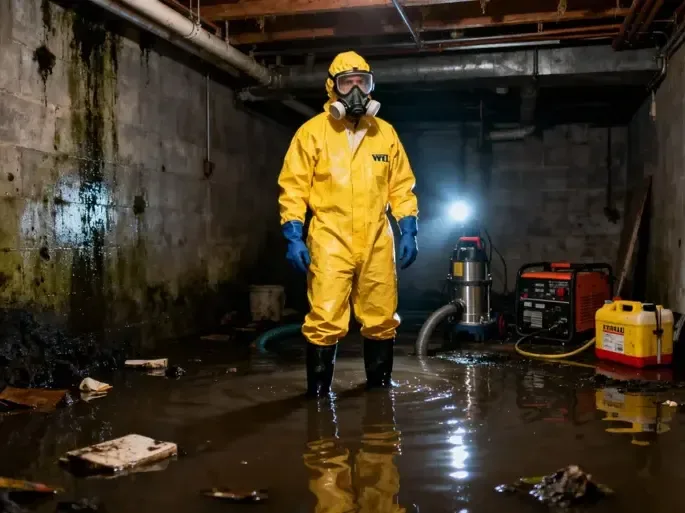 Sewage Backup CleanupContained removal, disinfection and air scrubbing when a drain pushes sewage back into the building.What the crew does
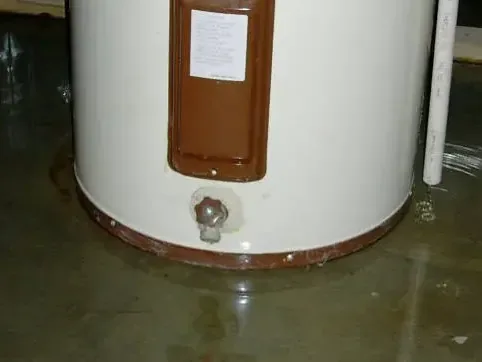 Water Heater Leak CleanupExtraction and drying after a tank leaks or ruptures, from a garage slab to a finished closet.What the crew does
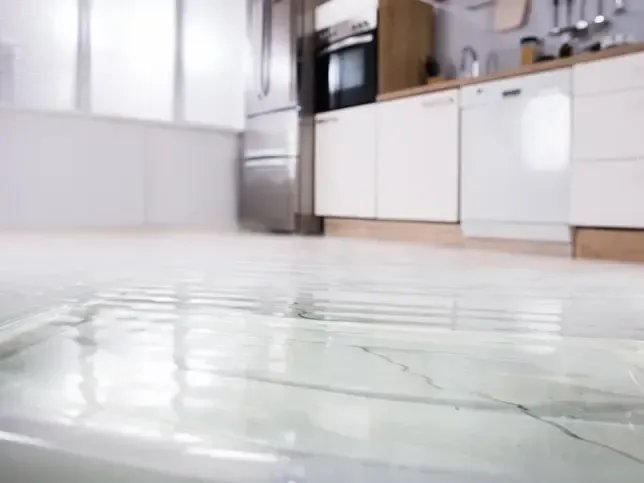 Appliance and Supply Hose LeaksDishwasher, washer and ice maker leaks traced, extracted and dried before cabinets and subfloors swell.What the crew does
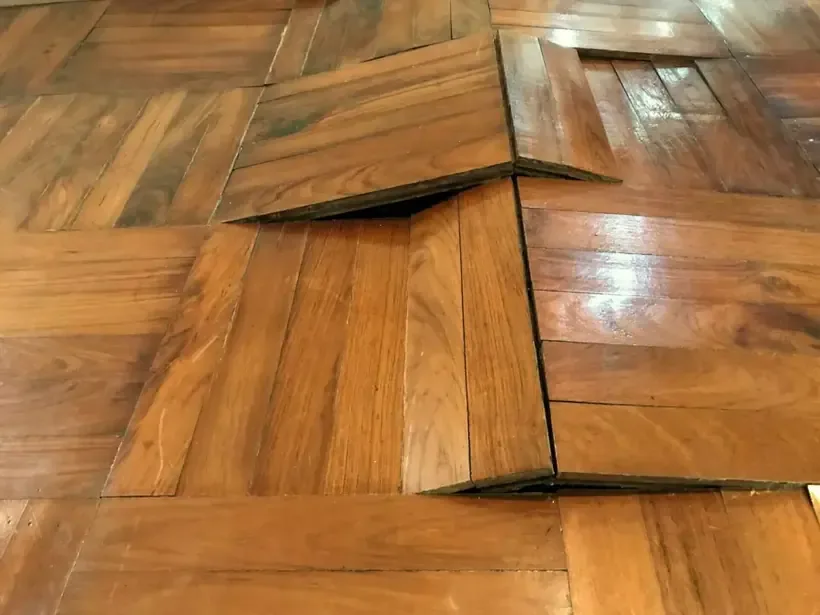 Hardwood Floor Water DamageMat systems and controlled drying that try to save wood floors before cupping turns into replacement.What the crew does
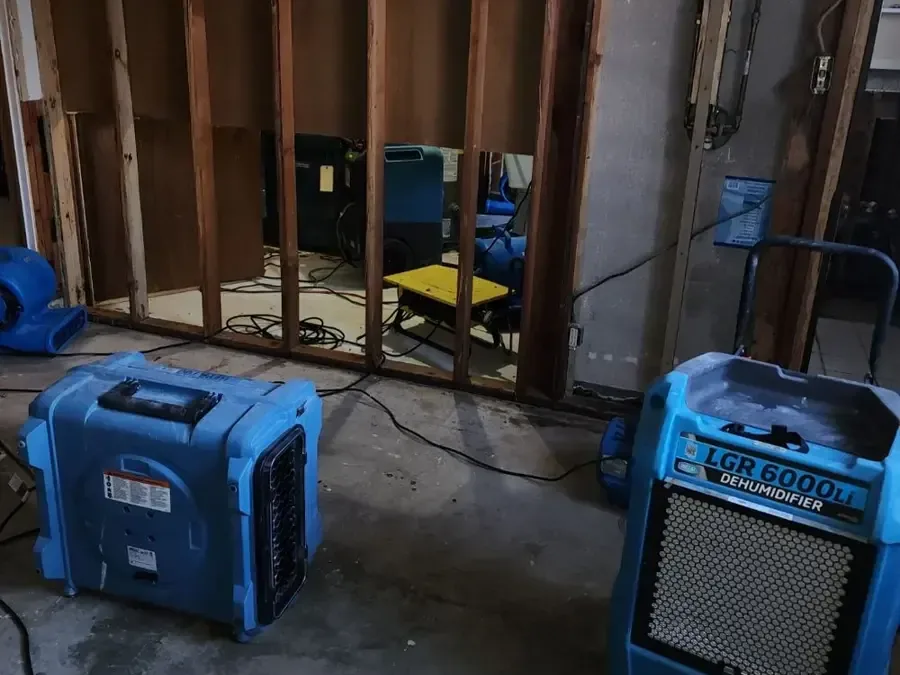 Structural Drying and DehumidificationLGR and desiccant dehumidifiers with air movers dry framing, slabs and cavities to target readings.What the crew does
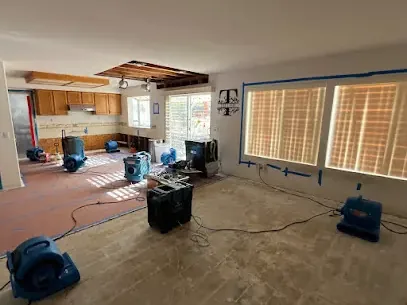 Commercial Water DamagePhased extraction and drying for shops, offices and suites, planned around staff and tenants.What the crew does
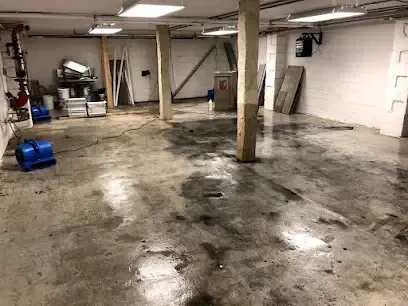
When heavy rain outruns a drain or a pump
- Where a house has a lower level, a sump pit that overflows or a floor drain that backs up can spread water across the whole floor.
- Regional storms show the pace: more than 5 inches of rain in about 5 hours across Camden County in June 2019, and nearly 3 inches during one hour in July 2026.
- Pumps, drains and gutters have to keep up. When one fails, the extraction crew removes the water first and the drying team handles the slab and walls.
Built around how local houses actually get wet
The work follows the water, not a script: find the source, pull the water out, open what stayed wet and keep drying until the numbers match.
Around-the-clock response
Water does not wait for business hours, so the restoration team works overnight, on weekends and through holidays.
Equipment sized to the loss
LGR and desiccant dehumidifiers, air movers and floor mat systems are chosen from moisture readings, not guesswork.
Claim-ready records
Photos, moisture logs and a drying chart go to the adjuster so the claim file matches the work that was done.
Mixed-age housing know-how
Local housing spans 307 units built before 1939 and 745 built from 2000 to 2010, so materials and drying plans vary.
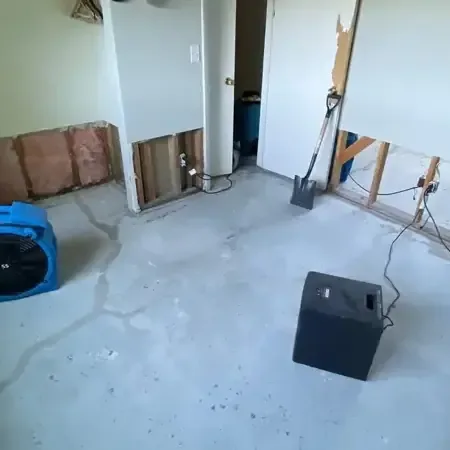
Four stages from first reading to dry confirmation
Every job moves through the same four stages, adjusted to the materials in the building, and ends on documented readings instead of a hunch.
- 1
Map the wet area
A moisture meter and thermal camera trace water through floors, walls and ceilings so the removal plan covers everything that is actually wet, not just what shows.
- 2
Pull the water out
Truck-mounted and portable extractors take standing water and saturated pad out of the building before any drying equipment starts running.
- 3
Dry the structure
Air movers and dehumidifiers run on a layout built for each room, with cavities and subfloors opened wherever the readings call for it.
- 4
Confirm it is dry
Final readings are compared against a dry reference spot, logged and handed over with the photo record before any equipment leaves the building.
- Readings compared to dry reference
- Documented photo record
- Equipment removed only when dry
Equipment on the truck
What local water damage work usually costs
Cost follows scope: how many rooms are wet, how long the water sat, how much material has to come out and whether the water came from a clean or a contaminated source. The three ranges below cover most jobs.
One room, clean water
$1,200 to $3,500
- Extraction and air movers
- Moisture readings logged
- Minimal tear-out
Several rooms or a ceiling
$3,500 to $8,000
- Wall and ceiling openings
- Several air movers running
- Days of dehumidification
Whole lower level
$8,000 to $12,000+
- Category 3 tear-out
- Antimicrobial and HEPA air scrubbing
- Full structural drying
Ranges assume ordinary access and standard finishes, and the water damage cost calculator narrows them. Containment, Category 3 water and hardwood push a job to the top.
Documentation the adjuster asks for
Water losses move faster when the claim file is built while the work happens. The restoration team documents each stage so the adjuster sees the same readings and photos.
Adjusters separate sudden losses from long seepage, and flood or sewer backup coverage often sits in a separate endorsement, so the policy wording and the cause of the water decide how a claim is handled.
- The date, time and apparent cause of the loss
- Wide and close photos taken before cleanup starts
- Moisture maps and daily drying logs
- Receipts for emergency repairs and plumber visits
- A room by room list of damaged belongings
Three problems behind most local calls
Most water losses start with one of three sources, and each one calls for a different kind of cleanup.
Winter pipe breaks
The borough warns that frozen pipes can burst and flood a building after the thaw, so damage often shows up later than the cold.
Burst pipe cleanupSlow appliance leaks
Water is metered and billed every quarter, so a hidden hose leak can show on the bill before it shows on the floor.
Appliance leak cleanupSewer backups
The borough does not maintain the lateral from a house to the street main, so the first call goes to a plumber.
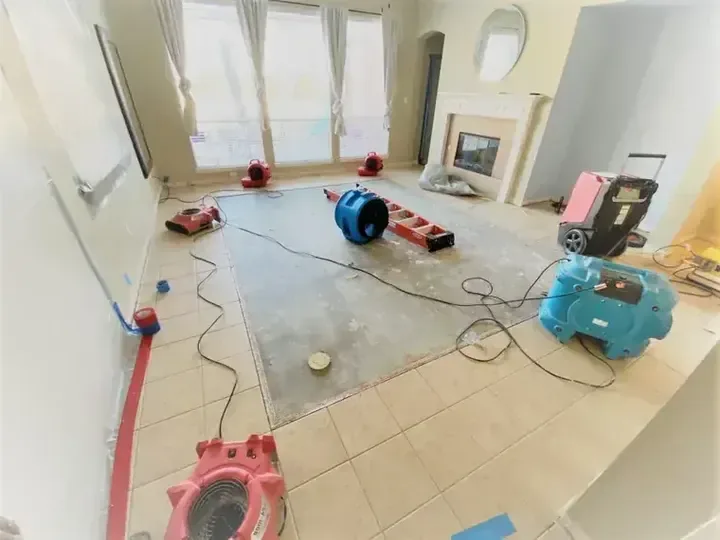
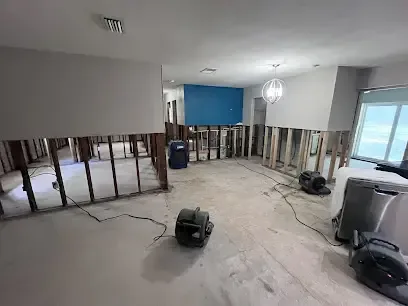
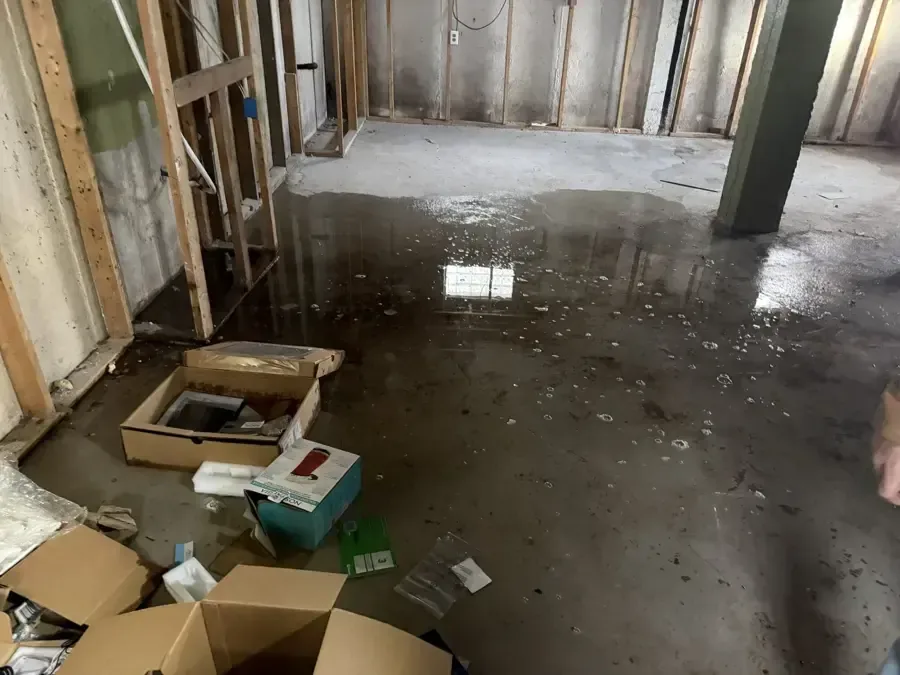
Sewage backup cleanupDrying work in progress
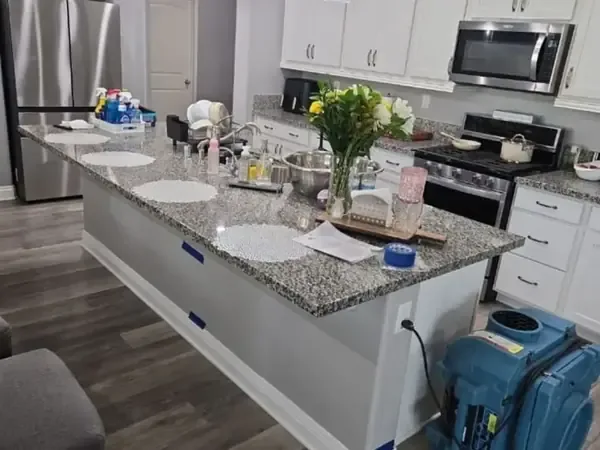
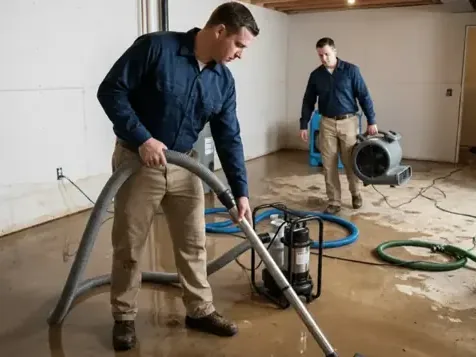
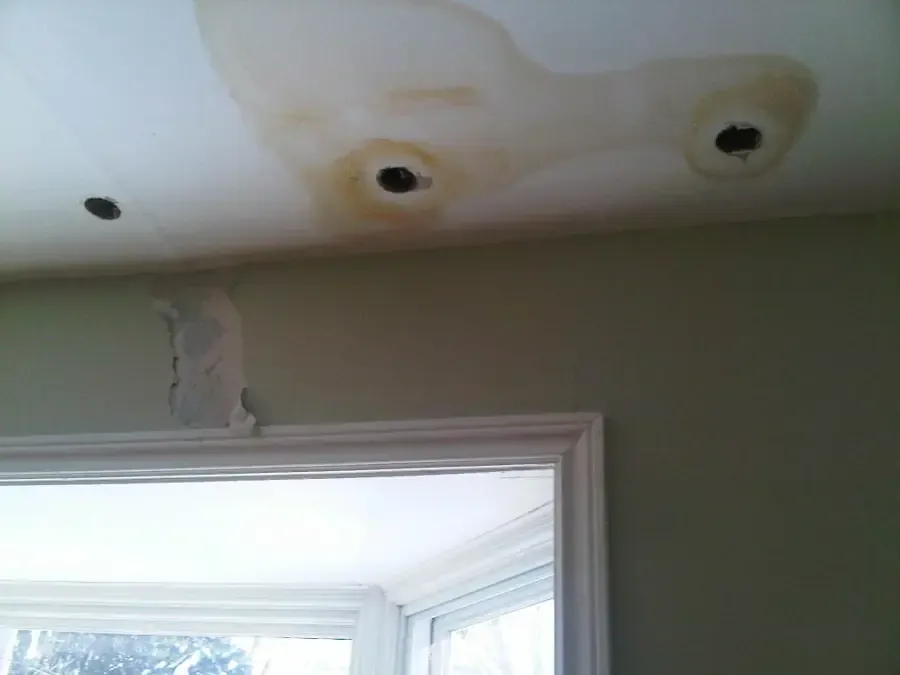
Where the drying team works in Berlin
Work covers the whole borough, ZIP 08009, from the historic streets to the White Horse Pike corridor.
Reaching the borough around the clock
Water damage does not keep office hours, so the restoration team takes emergency jobs in the borough at any hour. Truck-mounted equipment goes where the water is, and the first visit starts with a moisture map.
- Berlin, NJ
- (888) 471-9821
- Emergency jobs taken around the clock
Historic district streets
- Berlin Historic District
- Washington Avenue
- East Taunton Avenue
- Haines Avenue
Highway and school corridors
- White Horse Pike
- Route 73
- Cross Keys Road
- Franklin Avenue
- Berlin Community School
ZIP code covered
Risks that put water in local homes
The hazard plan calls the borough flat and inland and ranks flood, dam failure and severe weather high priority.
- The Great Egg Harbor River and Tinkers Branch are the borough's named water courses, and flood is a high-priority hazard in its plan.
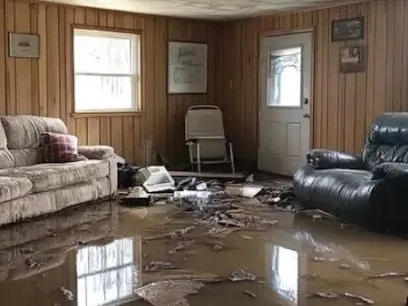
- Flash flooding on June 19 and 20, 2019 dropped more than 5 inches of rain in about 5 hours across Camden County, a regional event with more than $9 million in estimated damage.
- On July 6, 2026, nearly 3 inches of rain fell during one hour in Camden County, with more than 40 water rescues in Camden, Gloucester Township and Pennsauken.
- The Department of Public Works warns that frozen meters break and frozen pipes can burst and flood a building after the thaw.
- Housing runs from 307 units built before 1939 to 745 built from 2000 to 2010, so drying plans differ.
Water damage questions from local homeowners
Short answers to the questions that come up most after a leak, a backup or a storm, with borough details where they matter.
Ask the drying team a questionHow fast does water damage spread through a house?
Water reaches drywall, insulation and subfloors within hours, and mold can begin to grow in damp materials after 24 to 48 hours. Starting extraction early keeps the work smaller and the cost lower.
Who handles a sewer backup, the borough or a plumber?
Under state law the borough cannot maintain the lateral that runs from a house to the sewer main. For a lateral backup it points residents to a plumber or sewer cleaning service and does not reimburse those calls.
What happens if the sewer main in the street is blocked?
When the plumber finds the street main blocked, the Department of Public Works clears it and the borough clerk's office reimburses that plumber's invoice. Cleanup inside the building is a separate job, covered under sewage backup cleanup.
Does a frozen pipe always burst?
No, and the flooding often starts at the thaw instead. The borough's cold weather notice asks customers to check basements, crawl spaces and unheated areas where pipes run for cold drafts and open windows.
Who pays when a frozen meter or service pipe fails?
The borough does not charge for thawing a freeze in its own part of the service, from the main to the curb stop. The customer's part of the service and a meter damaged by freezing are the customer's expense.
How long does structural drying take?
Most rooms need 3 to 5 days of equipment time under a structural drying plan, longer for hardwood, concrete or soaked insulation. The team logs readings every day and removes equipment only when they match a dry reference spot.
Can wet carpet and rugs be saved?
Clean water caught early sometimes allows carpet to be dried in place, but contaminated water and long-soaked pad do not. After the June 2019 flood, Camden County officials said carpeting and rugs that cannot be washed and disinfected should be discarded.
How does a hidden leak show up on the water bill?
Water and sewer charges are billed together every quarter, and water is charged per 1,000 gallons, so a hidden toilet or appliance leak can appear as an unexplained jump. A leak at the meter itself goes to the Department of Public Works.
Does insurance cover slow leaks?
Most policies treat sudden and accidental water loss differently from long seepage, so the cause and timing matter. A moisture map and dated photos help the adjuster see what happened and when.
Do shops and offices get the same service?
Yes. Commercial work uses phased extraction and drying planned around staff and tenants, with containment where needed and the same moisture logs and photo record for the building's carrier.
Wet building in Berlin? Start the drying plan
The restoration team begins with a moisture map, removes the water and keeps drying until the readings say the building is dry again.