Sump Pump Failure Cleanup in Lindenwold, NJ
When a pump stalls, loses power or cannot keep up, groundwater and runoff spill across the floor. The cleanup crew extracts it, removes what soaked up the water and dries the space with logged readings.
(888) 471-9821Call about the failed pump- Overflow water extracted
- Soaked materials removed
- Drying logged each day
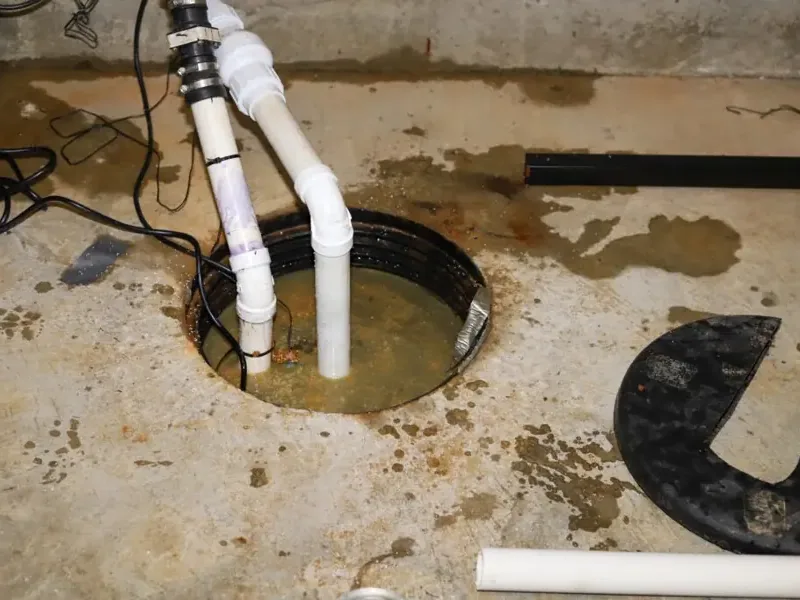
First moves for sump pump failure cleanup
- 1
Check the pit
From a dry spot, look at whether the pump is running, jammed or without power, but do not reach in.
- 2
Kill wet circuits
Switch off breakers to the wet area and leave plugged-in items alone while water is on the floor.
- 3
Move valuables up
Lift boxes, rugs and electronics onto shelves or blocks so the water reaches less of them.
- 4
Photograph the pit
Capture the pit, the water level and the affected rooms to document how the water arrived.
How sump pump failure cleanup is handled in Lindenwold, NJ
Each step follows the IICRC S500 drying standard and leaves a record for the claim file.
- 1
Assess the overflow
The crew checks how far the water spread and whether runoff is mixed in.
- 2
Extract the water
Pumps and extractors clear the pit area first, then the rest of the floor.
- 3
Remove soaked material
Pad, carpet and wet lower walls come out, and surfaces are treated if needed.
- 4
Dry and verify
Equipment runs until readings are flat, with the log kept for the file.
What does sump pump failure cleanup cost in Lindenwold, NJ?
Cost depends on how quickly the overflow was caught, whether the space is finished and whether runoff carried contamination. Early catches on bare floors cost far less than wet carpet and drywall.
Bare floor, caught early
$1,500 to $3,500
- Pit area extraction
- Equipment setup
- Moisture checks
Finished lower level
$3,500 to $7,500
- Carpet and pad removal
- Flood cuts
- LGR dehumidifiers
Overflow with storm runoff
$7,500 to $15,000+
- Category 3 removal
- Disinfecting
- Belongings sorted
Ranges move with the water category, the square footage, the material class and how fast drying started. For a planning number, run the water damage cost calculator.
A sump pump fails when it is needed most: during heavy rain, when the pit fills faster than it can empty. The result is water across the floor of a low room, often carrying silt and runoff, and the cleanup begins with getting that water out. Whether the cause was a power cut, a stuck float or a pit that filled faster than the pump could clear, the water on the floor needs the same prompt removal.
Where the overflow goes
Borough sewer rules bar floor drains, area drains, yard drains and downspouts from connecting to the sanitary sewer, directly or indirectly. That is why pump discharge and roof water have to be routed somewhere else, and a plumber can advise on where. The cleanup crew does not make that call.
- Overflow water is extracted from the pit area and the surrounding floor.
- Pad, carpet and the lower wall materials that absorbed it are removed.
Runoff mixed with groundwater
Water pushed in by storm runoff is considered contaminated, so it is handled differently from a clean supply leak. Cleanup includes disinfecting and removal of porous items that cannot be made safe. Anything that sat in that water, such as cardboard, upholstery and unsealed wood, is sorted before it is thrown out.
- Silt and debris are cleared before drying equipment goes in.
- Dehumidifiers run until the readings match dry reference points.
After the pump is fixed
A repaired pump does not dry a wet floor. The drying team stays with the job until moisture readings are steady, and the log can go to an adjuster. See basement flooding cleanup for the wider process.
Questions about sump pump discharge or permits belong with the plumber and the borough Construction Office, which enforces the state construction code.
Belongings from the pit area
Boxes, tools and furniture that sat in the water are separated into items that can be cleaned and items that cannot. Hard goods usually clean up, and porous goods usually do not. Water that arrives another way is covered by other lower-level water services.
Sump pump failure cleanup across Lindenwold and nearby towns
Pump failure calls come from across the borough, including Lucastown and the Berlin Road and Linden Avenue areas, wherever a pit overflowed and left water standing in a low room of the house.
The same service nearby: sump pump failure cleanup in Marlton, Stratford, Somerdale.
Related water damage services in Lindenwold
Sump Pump Failure Cleanup questions
Short, plain answers on sump pump failure cleanup, from the first call to the last moisture reading.
Ask dispatch what happens nextWill the crew repair or replace the pump?
No. The cleanup crew removes water and dries the structure, and a plumber handles pump repair or replacement.
Where should pump discharge go?
Borough sewer rules bar floor drains, yard drains, area drains and downspouts from the sanitary sewer. A plumber can advise where discharge belongs.
Is overflow water clean?
Not necessarily. Groundwater and storm runoff can carry silt and contamination, so the crew treats it carefully and removes porous materials it reached.
Why did the pump fail during a storm?
Common causes are power loss, a jammed float, a stuck switch or simply too much inflow. A plumber can inspect the unit to find which one applied.
How is the floor dried afterward?
Dehumidifiers and air movers run against the floor and lower walls, with moisture readings each visit until the numbers hold steady.
Does insurance cover pump failure?
Policies vary on sump pump overflow and groundwater, so the policyholder should ask the carrier. The crew keeps photos and moisture logs for the file.
Can the crew work while it is still raining?
Yes, if it is safe. Extraction can start while the storm continues, though drying works better once the pit is under control and water stops entering.
Dry out after the pump failed
Share where the pit sits, how far the water spread and whether it kept rising, and the crew will schedule extraction and drying.