Water Damage Restoration Stratford, NJ
Around Stratford, a burst supply pipe, a failed sump pump, a sewer backup or storm water all follow one order of work: pull the water out first, then dry the framing and floors to logged readings.
(888) 471-9821Reach a drying crew now- Night and weekend work
- Extraction before tear-out
- Daily moisture readings
- Claim-ready photo logs
Steps that limit the damage before drying starts
- 1
Find the source
Close the shutoff at the leaking fixture or the main valve. For a sewer backup, the borough Sewer Team is on call 24 hours a day to look into it.
- 2
Cut the power safely
Switch off wet circuits at the panel and stay out of standing water until the electricity is confirmed off.
- 3
Photograph first
Take wide and close photos of the water, the damaged finishes and any ruined contents before anything gets moved.
- 4
Lift what you can
Raise small furniture, pull up rugs and carry electronics and papers to dry ground. Leave carpet and drywall in place.
- 5
Call for drying
Ask the restoration team to start extraction before wet materials swell, stain and grow mold.
Cleanup and drying for every kind of water loss
Every service below follows the same order: stop the water, remove it, dry the structure and record the readings.
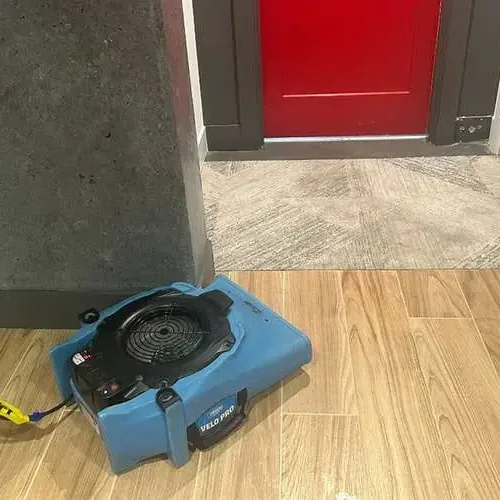
 Water Extraction and RemovalTruck-mounted and portable extractors pull standing water from carpet, pad and hard floors.What the crew does
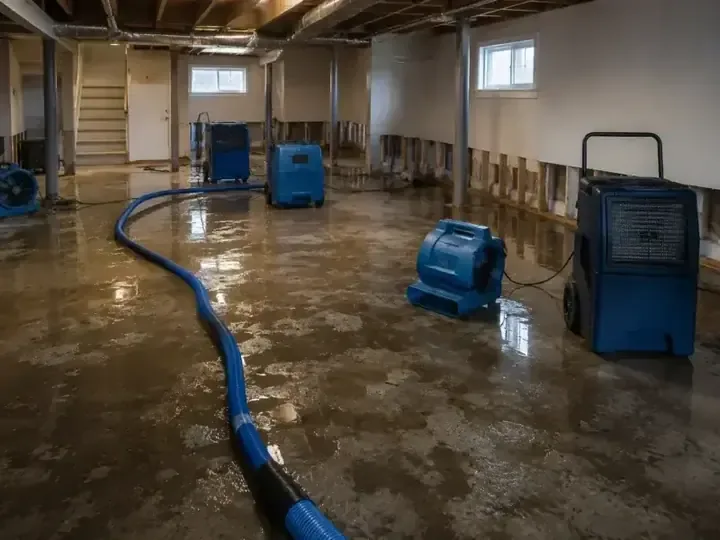
 Basement Flooding CleanupPump-out, extraction and wall and slab drying for a lower level that took on water.What the crew does
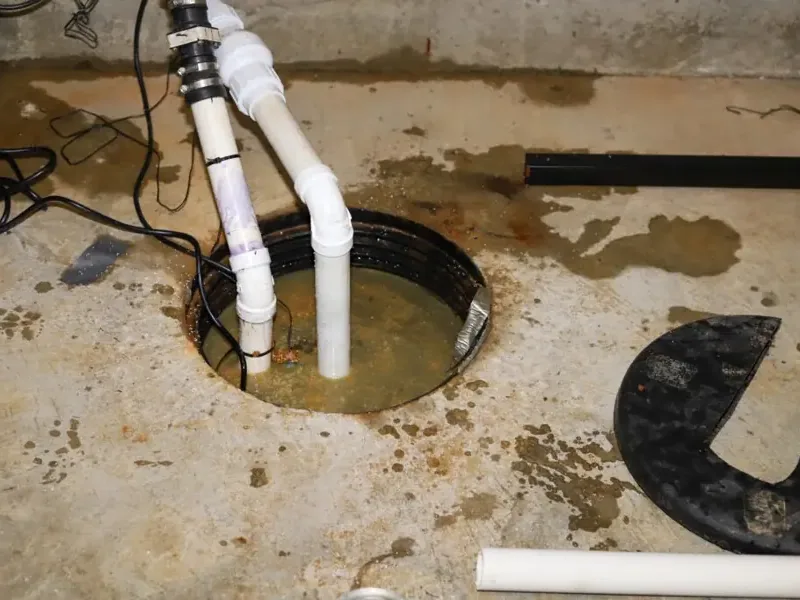 Sump Pump Failure CleanupA dead pit pump lets water climb the floor, and extraction starts at the pit.What the crew does
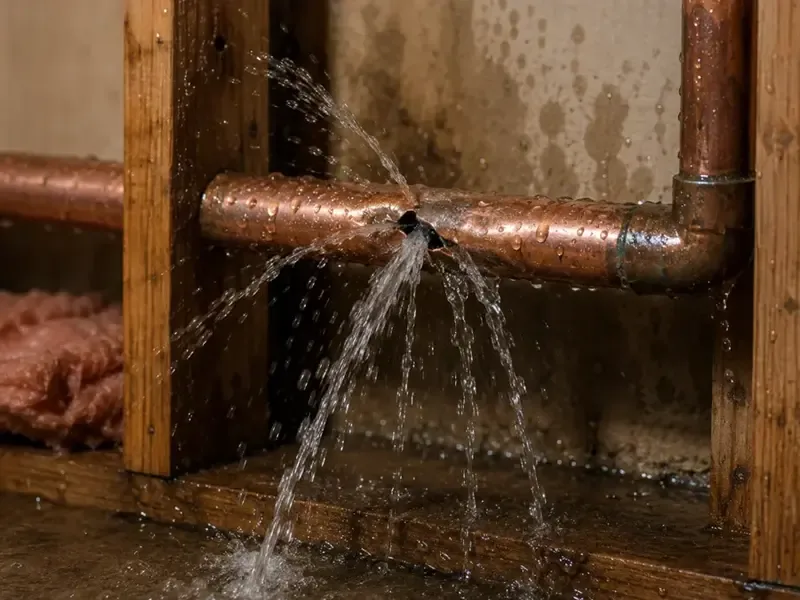 Burst Pipe CleanupA split supply pipe soaks ceilings and walls fast, so wet cavities are opened and dried.What the crew does
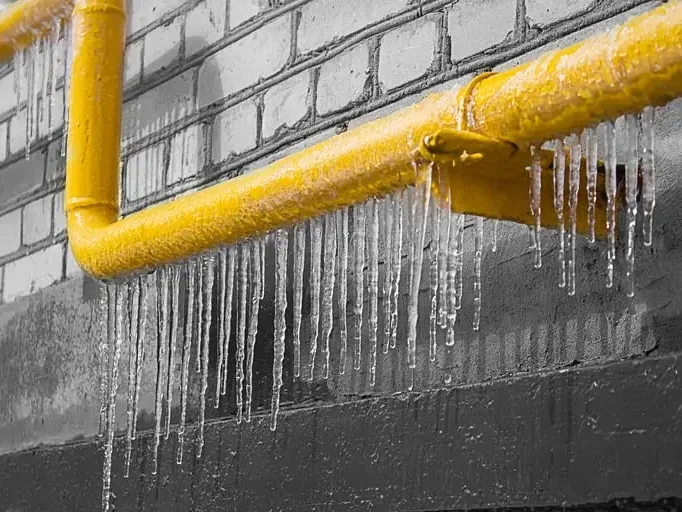 Frozen Pipe CleanupPipes that split in a cold snap flood walls at the thaw, and the cavities need drying.What the crew does
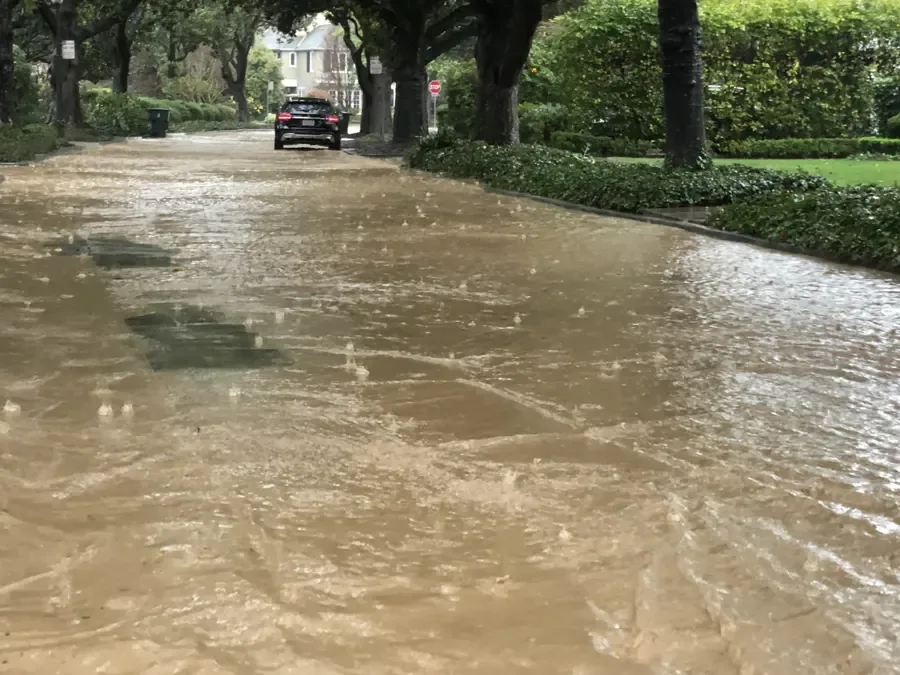 Storm and Flash Flood CleanupCreek, runoff and storm water is treated as contaminated and removed before drying begins.What the crew does
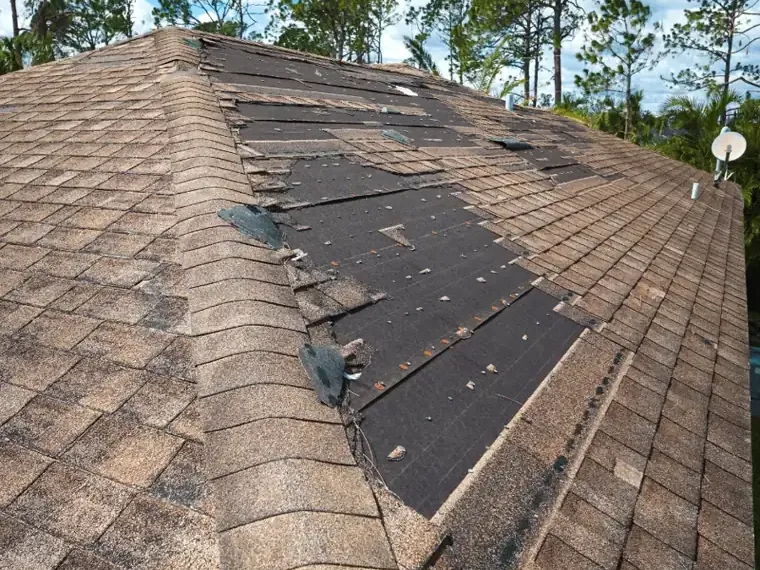 Roof Leak Water DamageWind-driven rain through a roof wets attic insulation, ceilings and walls below it.What the crew does
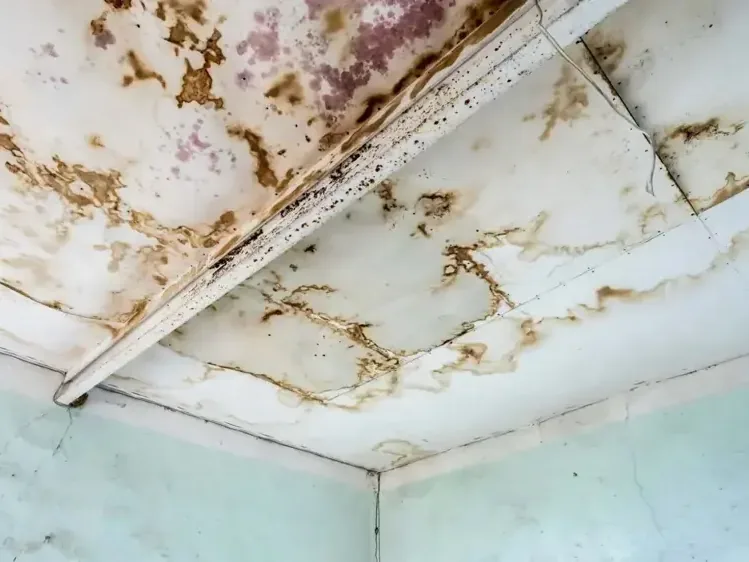 Ceiling Leak Water DamageA stained or bulging ceiling is holding water, and the drywall and insulation above need checking.What the crew does
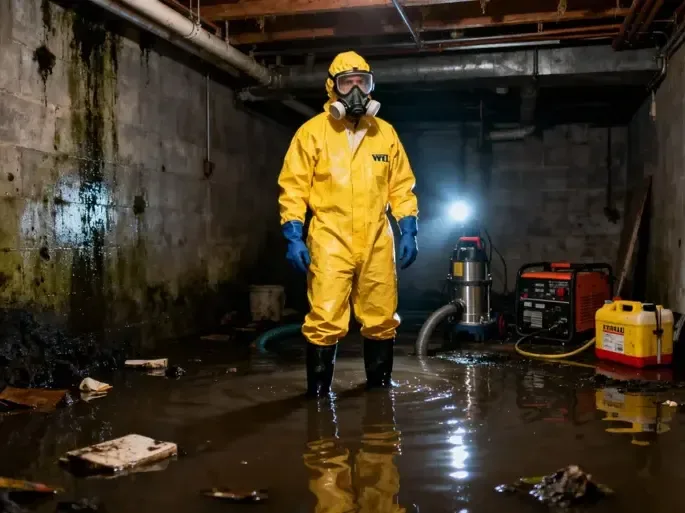 Sewage Backup CleanupDrain backups are sealed off, removed and treated as contaminated rather than simply mopped up.What the crew does
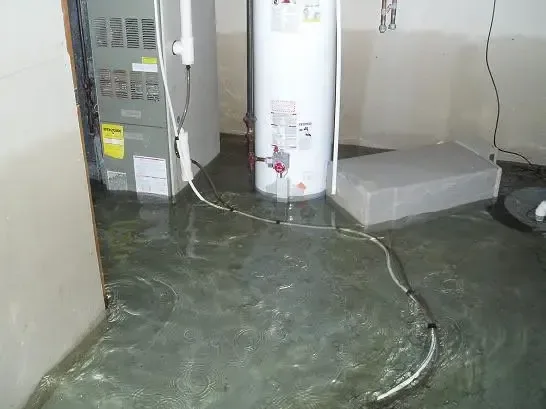
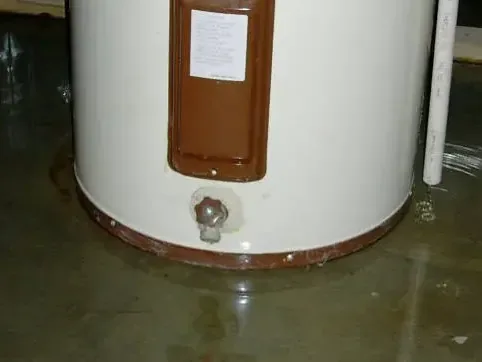 Water Heater Leak CleanupA leaking tank wets the floor and the bottoms of nearby walls, which are extracted and dried.What the crew does
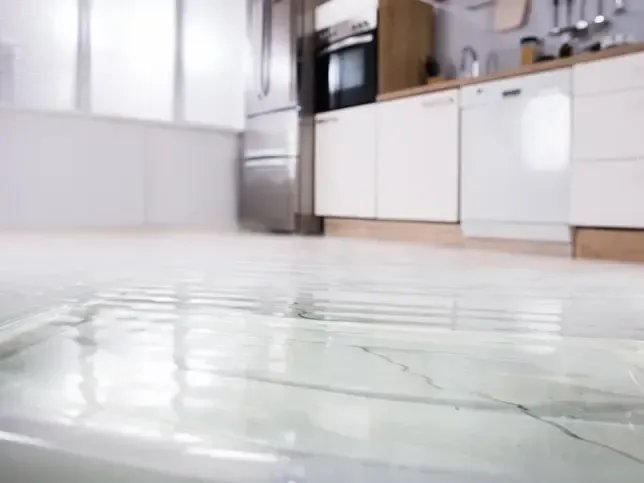 Appliance and Supply Hose LeaksWasher, dishwasher and icemaker leaks can reach the floor and the unit below.What the crew does
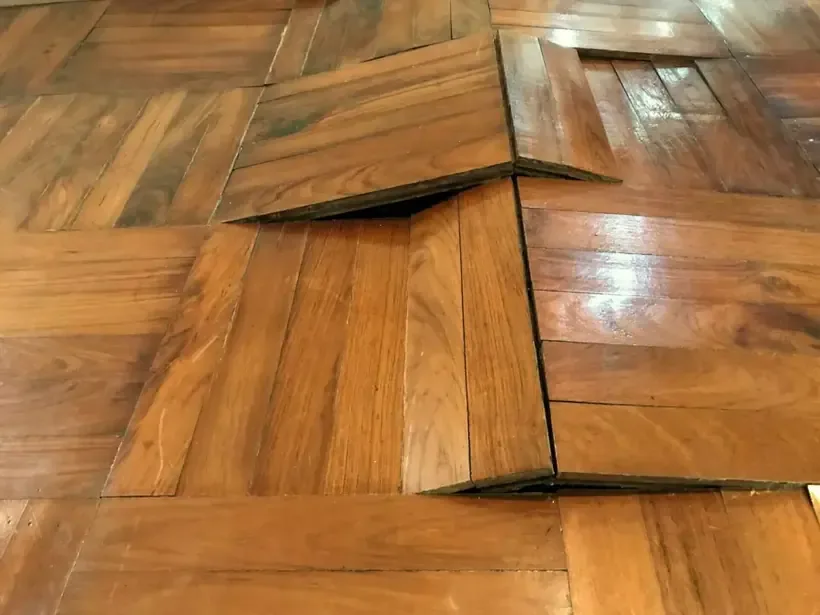 Hardwood Floor Water DamageBoards cup and buckle when water gets underneath, so drying has to begin early.What the crew does
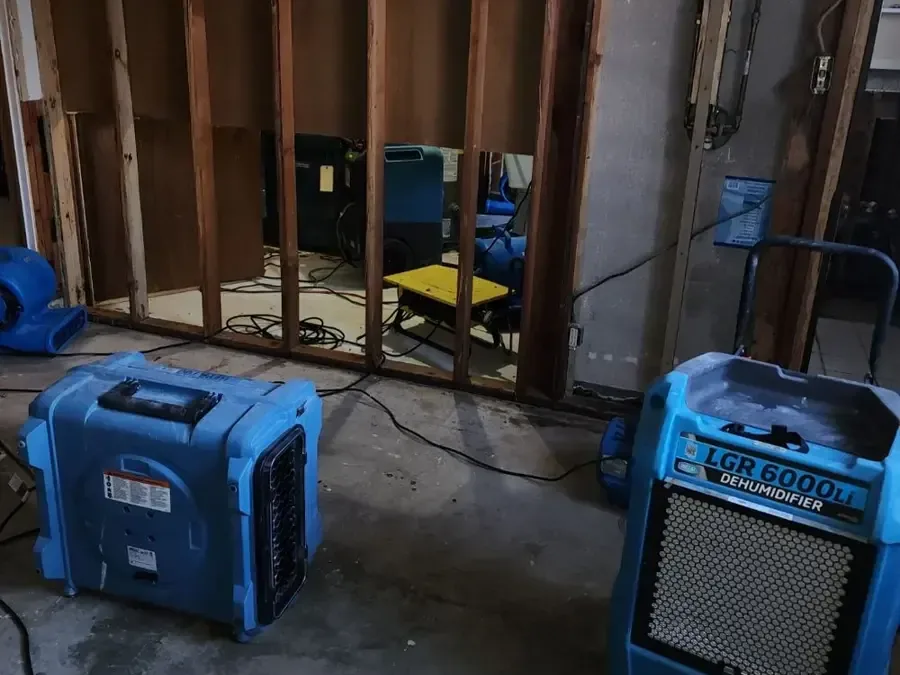 Structural Drying and DehumidificationAir movers and dehumidifiers dry framing and wall cavities until readings match dry material.What the crew does
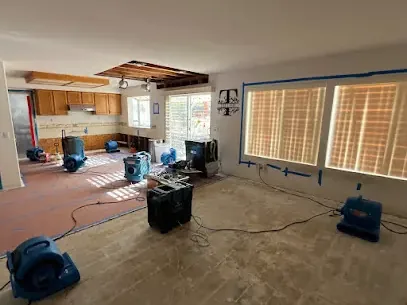 Commercial Water DamageShops, restaurants and offices get phased drying that keeps the business running where possible.What the crew does
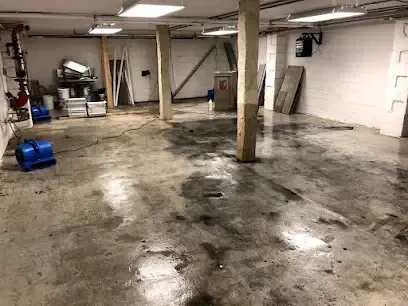
Water gathers on the lowest floor, so drying starts there
- The extraction crew pumps and pulls water off the lowest floor first, because every extra wet hour lets it climb into drywall, trim and wood.
- Thermal cameras and moisture meters then show where water traveled behind finishes, so wet material is found before anyone covers it up again.
- Dehumidifiers and air movers run until readings match dry reference material, and the crew logs each visit so the claim file stays complete.
Water damage work built around older Camden County houses
Census data puts the median home build year at about 1961, so the crew plans for older framing, long-used finishes and aging supply connections.
Older-house know-how
Aged plaster, settled insulation and patched ceilings call for careful removal, so only what readings show is wet gets opened.
Contained sewage work
Category 3 water is sealed off with plastic, removed in full and treated before any drying equipment is set.
Claim-ready records
Dated photos, a moisture log and a written scope give an adjuster what a claim file needs.
Round-the-clock crews
Night, weekend and holiday losses get the same extraction and drying work as a weekday job.
A drying standard built on readings, not guesses
Every job follows a fixed order, and each stage ends with a measurement that the owner and the adjuster can read for themselves.
- 1
Map the loss
Moisture meters and thermal cameras trace the water through floors, wall bases and ceilings, so the affected area is drawn on paper before anything is removed or opened.
- 2
Pull out the water
Extractors lift standing water, and soaked pad or insulation that cannot dry in place is cut out, bagged and carried out, so it stops feeding moisture back into the structure.
- 3
Dry the building
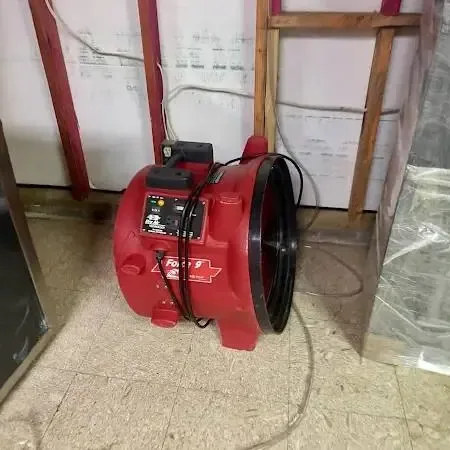
Air movers, LGR dehumidifiers and desiccant units are placed by the class of loss and checked at every visit.
- 4
Confirm dry
Final readings are compared against unaffected material, and the log shows the owner when equipment can leave.
- Readings at every visit
- Equipment set by loss class
- Dry goal confirmed in writing
Equipment that does the drying
What water damage cleanup tends to cost here
Cost follows the size of the wet area, the type of water and how long it sat. A clean supply leak in one room stays near the low end, while sewage or flood water moves the job to the top.
One room, clean source
$1,200 to $3,500
- Truck-mounted pickup
- Targeted drying setup
- Minimal tear-out
Several rooms or a lower level
$3,500 to $8,000
- Carpet and pad removal
- Wall cavity drying
- Several days of dehumidification
Sewage or flood water
$8,000 to $12,000+
- Category 3 tear-out
- Antimicrobial treatment
- Full structural drying
These ranges are typical and not a quote, since the walkthrough fixes the real figure. See water extraction pricing for the floor-level work in more detail.
Records an adjuster will ask for
Insurers want proof of when the water started, how far it spread and what was removed. The drying team builds that record while the work is under way.
Inside a flood hazard area, borough Chapter 15.20 says even repairs that look minor, such as roofing, cabinets and interior finishes, are evaluated through a floodplain development permit. Owners should ask the Construction Official before rebuilding.
- Photos of the water and damage taken before cleanup begins
- Dated moisture readings from every drying visit
- An itemized list of removed materials and contents
- Equipment placement, counts and run times
- Notes on the water source and when it was found
Three kinds of damage that catch owners off guard
These losses start quietly, which is why a small stain or a damp floor deserves a closer look early.
Leaks from above
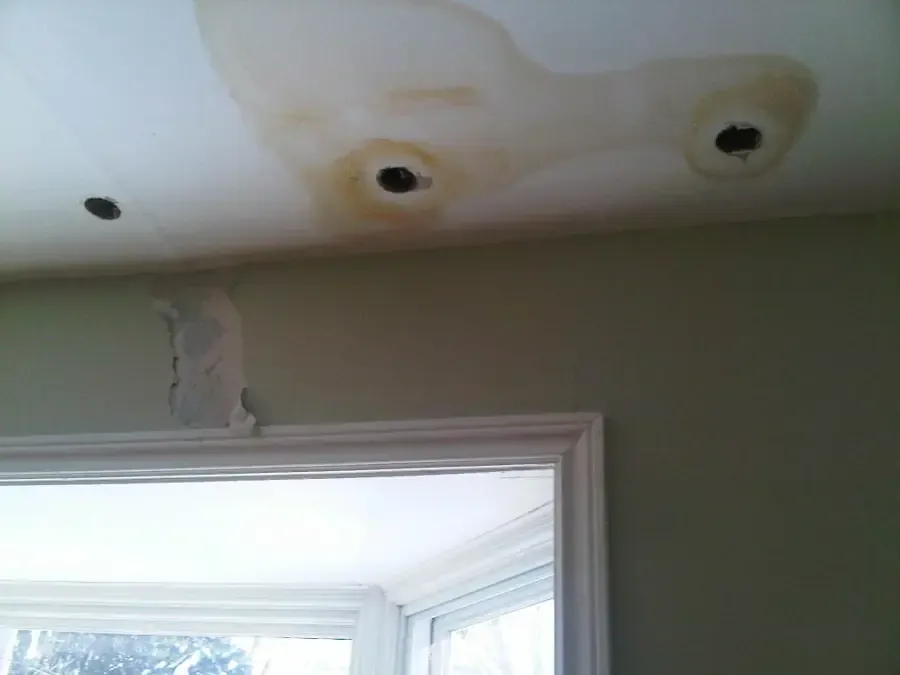
A stained or sagging ceiling means water is held in the drywall or insulation, and it spreads sideways before it shows.
Ceiling leak cleanupAppliance and hose failures
A washer, dishwasher or icemaker hose can run for hours, and about 29.0% of housing units sit in buildings with two or more units.
Appliance leak cleanupSewer and drain backups
Drain water carries bacteria, so the floor is sealed, removed and treated rather than simply mopped.
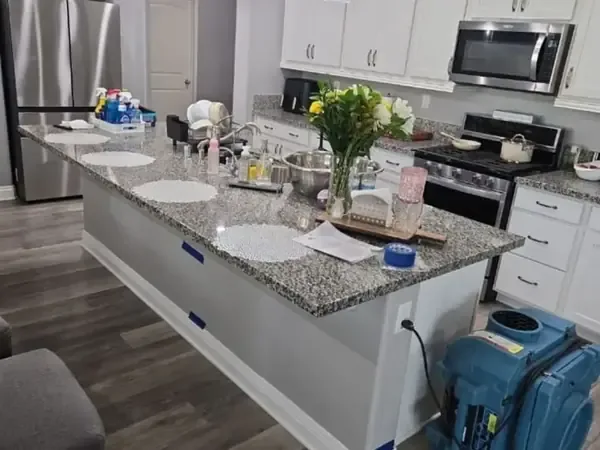
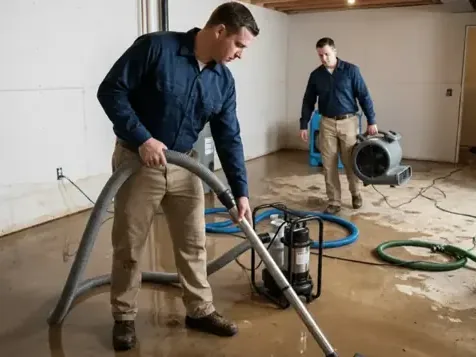
Sewage backup cleanupWater damage and drying equipment photos
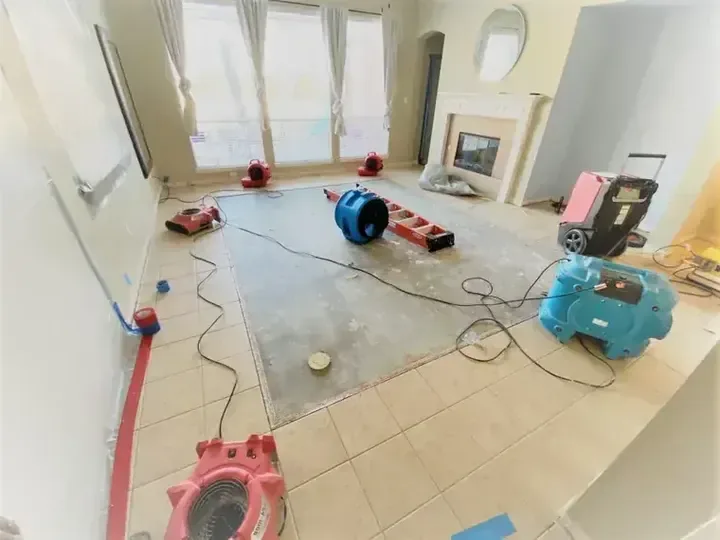
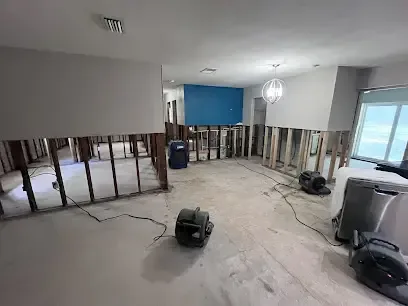
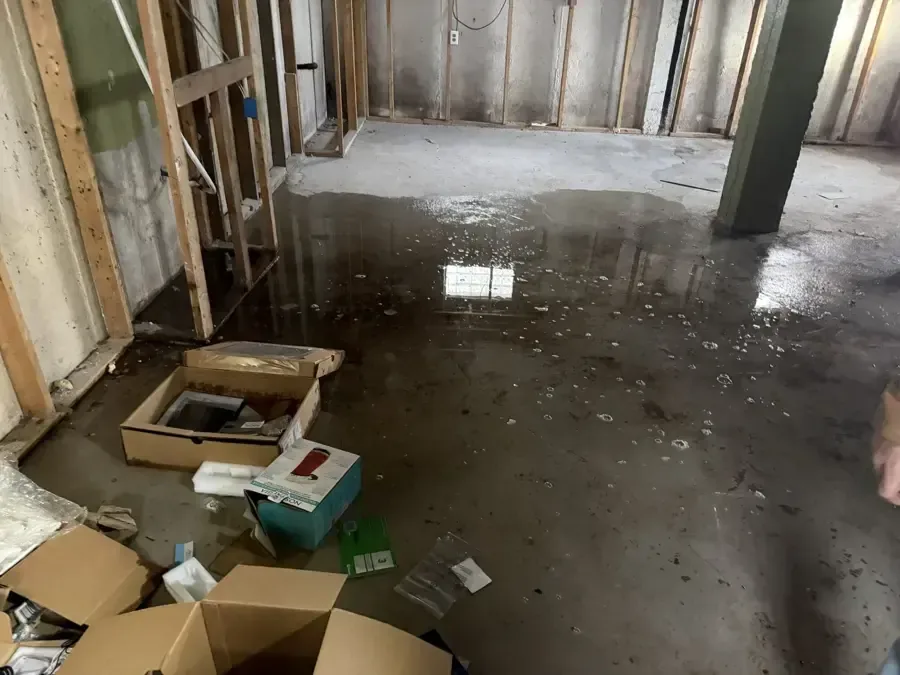
Water damage crews working across Stratford
Work covers the borough from the White Horse Pike corridor to the streets near Laurel Mill Farms.
Reach a water damage crew any day or night
Burst pipes and sewer backups do not keep business hours, so the crew takes loss reports at night, on weekends and on holidays. A short description of the water source helps the first visit go smoothly.
- Stratford, NJ
- (888) 471-9821
- Open day and night, every day
Old Stratford and the Pike
- White Horse Pike
- Berlin Road
- Union Avenue
- Warwick Road
Neighborhoods and parks
- Old Stratford
- White Horse
- Laurel Mill Farms
- Saratoga Park
- Veterans Memorial Park
ZIP code covered
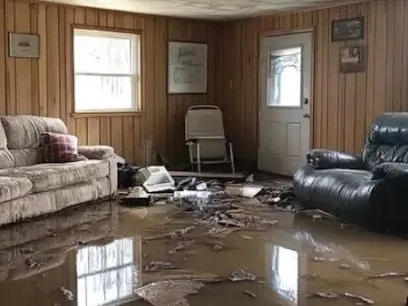
What shapes water damage risk in the borough
Creeks, older housing and a two-part sewer system all shape how water gets into local buildings.
- The North Branch of Big Timber Creek flows through the borough, and Big Timber Creek is a tributary of the Delaware River.
- Heavy rain on June 19 and 20, 2019 flooded creeks across Camden County, and Stratford recorded 2.00 inches. Damage inside the borough from that storm is not part of the record.
- Old Stratford was developed from the 1880s, and the median home build year sits near 1961, so older framing and aged finishes are common.
- The borough Sewer Utility handles the street side of the sewer, and the Camden County Municipal Utilities Authority carries the sewage to treatment in Camden City. The owner is responsible for the lateral to the main.
Water damage questions from local owners
These are the questions owners ask most after a leak, a backup or a storm, answered in plain terms.
Talk through your situationWhat should I do first when water is coming in?
Stop the source if that is safe, switch off power to the wet area and photograph everything. Then ask a restoration crew to start extraction, since standing water soaks into drywall and wood quickly.
How long does drying take?
It depends on the materials and the size of the loss, so the crew reads moisture at every visit and stops only when the readings match dry reference material.
Who owns the sewer lateral?
The borough Sewer Utility page says the lateral to the main is the property owner's responsibility. For a serious sewer problem the borough advises calling a local plumber and collecting more than one quote.
Who handles a sewer backup in the borough?
The borough Sewer Team is on call 24 hours a day to assess a backup and try to clear the drain when the outside sewer vent is accessible. Cleaning the affected rooms is separate work, described under sewage backup cleanup.
Does the June 2019 flooding put my house at risk?
Creeks flooded across Camden County after heavy rain on June 19, 2019, and Stratford recorded 2.00 inches. That is regional history, not a forecast for one house. The borough Floodplain Administrator can say whether a property sits in a flood hazard area.
Do repairs after water damage need a permit?
Inside a flood hazard area, borough Chapter 15.20 says roofing, cabinets and interior finishes are evaluated through a floodplain development permit, even when the repair looks minor. Read about storm and flash flood cleanup before rebuilding.
Can a leak in another unit damage my home?
About 29.0% of housing units here are in buildings with two or more units, and a leaking appliance can reach the unit below. Photograph the damage and tell the building owner right away.
Why does wet drywall or insulation have to be removed?
Insulation holds water against framing and soaked drywall loses its strength, so material that cannot dry fast is cut out. The crew removes only what readings and the type of water call for.
Are the cost ranges firm?
They are typical ranges, not quotes. The walkthrough sets the scope, and the final figure depends on the water type, the area and the drying time.
Does the crew handle businesses too?
Yes. Shops, restaurants and offices along the White Horse Pike and Berlin Road get the same extraction and drying, with work phased to keep part of the space open when possible.
Soaked floors and wet walls need drying soon
A short description of what happened is enough to begin. The crew explains the first steps, the likely scope and what the walkthrough will cover.