Water Extraction and Removal in Lindenwold, NJ
Standing water on a floor keeps soaking into pad, baseboard and framing, so the extraction crew pulls it out first and sets drying equipment once the surface is clear.
(888) 471-9821Call about the standing water- Truck-mounted pumps
- Pad and carpet lifted
- Moisture readings logged
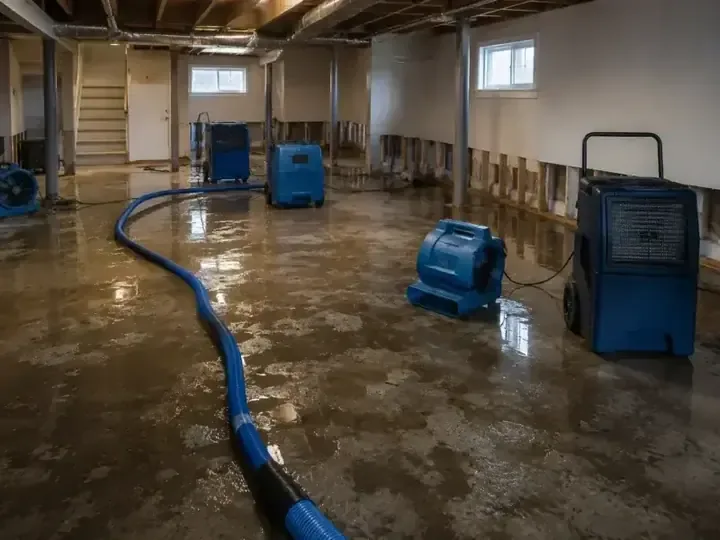
First moves for water extraction and removal
- 1
Stop the supply
Close the shutoff for the fixture or the whole house so no new water joins what is already on the floor.
- 2
Cut power safely
Turn off breakers feeding wet rooms, and leave plugged-in electronics in standing water for the crew to handle.
- 3
Name the source
Note whether it was a pipe, an appliance, rain or a drain, because the source sets the water category.
- 4
Photograph the water
Capture depth, wet rooms and damaged furnishings before anything is moved or thrown out.
How water extraction and removal is handled in Lindenwold, NJ
Each step follows the IICRC S500 drying standard and leaves a record for the claim file.
- 1
Walk the rooms
Meters and a thermal camera show how far the water traveled beyond what is visible.
- 2
Pull the water
Truck-mounted and portable extractors run until the surface is clear, with weights on carpet.
- 3
Lift what is lost
Soaked pad and swollen trim are removed so they stop wetting the floor.
- 4
Hand off to drying
Air movers and dehumidifiers go in, and readings are logged on each visit.
What does water extraction and removal cost in Lindenwold, NJ?
Extraction is often the smaller part of a water job, and the total climbs with the number of rooms reached, the water category and how much carpet and pad has to come out.
Single room, clean source
$900 to $1,800
- Extractor pass over the floor
- Wet pad lifted
- Readings taken
Several rooms or stairs
$1,800 to $4,000
- Weighted carpet passes
- Baseboard moisture checks
- Equipment placed
Whole lower level
$4,000 to $8,000+
- Pump and extractor work
- Carpet and pad removed
- Longer drying run
Ranges move with the water category, the square footage, the material class and how fast drying started. For a planning number, run the water damage cost calculator.
Water that sits on a floor wicks into carpet pad, trim and the bottom of the walls, so extraction is the first job and everything else follows from it. A Camden County downpour on August 10, 2009 put 2.39 inches of rain on Lindenwold, a reminder of how fast a low room can take on water.
What the crew pulls out first
The extraction crew works from the deepest water toward the edges, using weighted tools on carpet and wands on hard floors. Every pass is followed by a meter check so wet spots are not missed, and stairs, thresholds and hard floors get the same attention as carpet because water travels along edges and drips into the rooms below.
- Standing water, loose debris and anything floating in it is removed before equipment is set.
- Carpet pad that has absorbed water is lifted, since it holds moisture against the floor for days.
Clean water or contaminated water
Where the water came from sets the next steps. Supply water from a broken fixture can often be extracted and dried in place, while water that rose from a drain or arrived with storm runoff is treated as contaminated. The category goes into the job log, because it also shapes what an adjuster expects to see in the file.
- Clean water: extraction, pad removal where needed and structural drying.
- Contaminated water: porous materials come out and surfaces are disinfected.
After the water is gone
A floor that looks dry is rarely finished, because water hides in places a quick look misses, such as the cavity behind a baseboard or the layer under a floor covering. Meters check baseboards, door jambs and the walls behind them, and the drying team sets air movers and dehumidifiers to match what the readings show. See the structural drying page for how that stage runs.
The same crews also handle basement flooding and storm losses across the borough. A short description of the water over the phone lets the right pumps ride on the truck.
Water extraction and removal across Lindenwold and nearby towns
Extraction crews work throughout Lindenwold, from the Kirkwood and Lucastown place names to corridors such as North White Horse Pike and Gibbsboro Road, and any other address in the borough.
The same service nearby: water extraction and removal in Marlton, Stratford, Somerdale.
Related water damage services in Lindenwold
Water Extraction and Removal questions
Short, plain answers on water extraction and removal, from the first call to the last moisture reading.
Walk dispatch through what you seeHow soon should standing water be removed?
As early as possible, because pad, trim and drywall keep absorbing for as long as water sits against them. An early call saves materials that would otherwise have to come out.
Can a wet vac handle it?
A shop vacuum clears a puddle, but it cannot pull water out of carpet pad or reach under cabinets. Truck-mounted units move far more water and leave much less behind for dehumidifiers to chase.
Does carpet have to be thrown out?
Not always. Clean-water spills caught early can often be extracted in place, while carpet and pad soaked by sewage or storm runoff are removed.
What happens after the water is out?
Drying begins. Air movers and dehumidifiers go in, moisture readings are logged each visit, and equipment stays until walls and floors read dry.
Is rainwater from a storm treated differently?
Yes. Water from outdoors or from a drain is considered contaminated, so extraction is followed by removal of porous materials and disinfecting rather than simple drying.
Can a short storm really cause this much water?
A single downpour on August 10, 2009 dropped 2.39 inches of rain on Lindenwold, which shows how quickly a short storm can leave water standing.
Get the water out of the house
Tell the dispatcher which rooms are wet and how deep the water runs, and the crew will bring pumps sized to the job.