Basement Flooding Cleanup in Lindenwold, NJ
When a basement or other low level takes on water, the pumping crew lowers it safely, strips soaked finishes and dries the structure, treating the water as contaminated until the source is known.
(888) 471-9821Call about the flooded lower level- Below-grade water removal
- Soaked finishes stripped
- Readings every visit
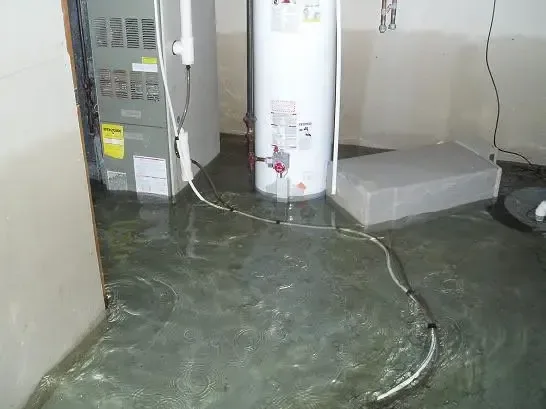
First moves for basement flooding cleanup
- 1
Hold off on the stairs
Stay out of deep water, because steps can be slick and wiring may be live below the surface.
- 2
Cut power safely
Have breakers for the lower level switched off from a dry spot, and keep cords out of the water.
- 3
Name the source
Note whether rain, a pipe, a pump or a drain brought the water in, since each changes the cleanup.
- 4
Photograph the water
Take pictures of the depth and the damaged items before anything is carried upstairs.
How basement flooding cleanup is handled in Lindenwold, NJ
Each step follows the IICRC S500 drying standard and leaves a record for the claim file.
- 1
Find the source
Rain, a pipe, a pump or a drain is identified so the water is classed correctly.
- 2
Empty the space
Pumps and extractors lower the water in stages until the floor is exposed.
- 3
Remove and treat
Wet finishes come out, contaminated areas are disinfected and debris is bagged.
- 4
Dry to readings
Dehumidifiers run until the structure meets the logged dry standard.
What does basement flooding cleanup cost in Lindenwold, NJ?
Basement cost depends on the depth, the finishes that got wet and whether the water was clean. Finished spaces with carpet, insulation and drywall cost more than bare floors, and contaminated water raises the total again.
Unfinished, clean source
$2,500 to $5,000
- Pump-down and extraction
- Surface and wall drying
- Daily readings
Finished lower level
$5,000 to $10,000
- Carpet, pad and insulation out
- Lower drywall cut
- LGR dehumidifiers
Drain or sewer water, finished
$10,000 to $20,000+
- Category 3 removal
- Disinfecting and HEPA
- Belongings sorted
Ranges move with the water category, the square footage, the material class and how fast drying started. For a planning number, run the water damage cost calculator.
A flooded low level means water on the floor and moisture soaking into walls and stored belongings. Because the borough sewer code requires backwater valves for fixtures below grade, the source gets identified before anyone treats the water as clean. Rain, a failed pipe and a drain backup each lead to a different job, and early action matters because wet drywall, insulation and stored cardboard keep absorbing for as long as the water stays.
Pumping a flooded lower level
Depth decides the method. Deep water is pumped down in stages, and shallow water goes to truck-mounted or portable extractors that leave the floor nearly dry. The crew checks the stairs, the utility area and any low closets first, since water collects where the floor is lowest.
- Wet carpet, pad, insulation and the lower drywall are cut out and bagged for disposal.
- Furniture and stored boxes are moved up and sorted into salvage and discard piles.
When the water came through a drain
Water that rose through a floor drain, tub or toilet carries contamination, and the work shifts to containment, protective gear and disinfecting. That work follows the steps described for sewage backup cleanup. Cleanup crews do not repair the drain or valve itself; a plumber handles that once the water is out.
- Porous materials touched by the water are removed instead of dried.
- Air scrubbers run during removal to keep dust and odors contained.
Drying the structure afterward
Once the debris is out, dehumidifiers and air movers pull moisture from studs, block and sill areas. Daily readings show whether the drying is working, and equipment is adjusted or removed as the numbers settle. Hard surfaces such as concrete and block can look dry well before they are, so meters and a thermal camera check the lower walls and equipment stays until those numbers drop.
If a pump quit during the storm, the sump pump failure page covers that cause. A written scope with photos and readings goes to the adjuster when a claim is open.
Basement flooding cleanup across Lindenwold and nearby towns
Lower-level flooding calls reach homes and apartment buildings across Lindenwold, including the Kirkwood area and the streets around Linden Avenue and Berlin Road, wherever a low room has taken on water.
The same service nearby: basement flooding cleanup in Marlton, Stratford, Somerdale.
Related water damage services in Lindenwold
Basement Flooding Cleanup questions
Short, plain answers on basement flooding cleanup, from the first call to the last moisture reading.
Run the details past 24/7 dispatchIs basement water always clean?
No. Water that rose through a drain or arrived with storm runoff is treated as contaminated, and the crew confirms the source before deciding what is removed.
Do I need a backwater valve?
The borough sewer code requires backwater or check valves to stop wastewater from flowing back through fixtures below grade, installed at the resident's cost. A plumber can confirm what a property has.
Can finished walls be saved?
Sometimes. Clean water caught early may dry through small openings, while drywall and insulation soaked by contaminated water are cut out.
What belongings can be kept?
Hard items that touched clean water are usually cleaned and dried. Porous items such as cardboard and upholstery that sat in contaminated water are typically discarded.
Why does the crew take readings every day?
Readings show whether the drying is working. They tell the crew when to move equipment and when the structure has reached the dry standard.
Does a flooded low level ever need repairs to the pump or drain?
Sometimes. The cleanup crew handles the water and drying, and a plumber handles the pump, drain or valve that let it in.
Should the water be pumped out all at once?
Not always. Deep water is lowered in stages, and the crew watches the level and the walls as it drops, with the last of it going to extractors.
Pump it out before it settles
Describe the depth, the source and what is stored down there, and the crew will plan pumping, removal and drying around it.