Storm and Flash Flood Cleanup in Marlton, NJ
Floodwater from outside carries soil, fuel and sewage. The mitigation team removes what it touched, cleans and treats the structure, and the drying team dries it to readings.
(888) 471-9821Floodwater inside the house? Call.- Category 3 protocol
- Contents documented for the claim
- Storm-surge dispatch
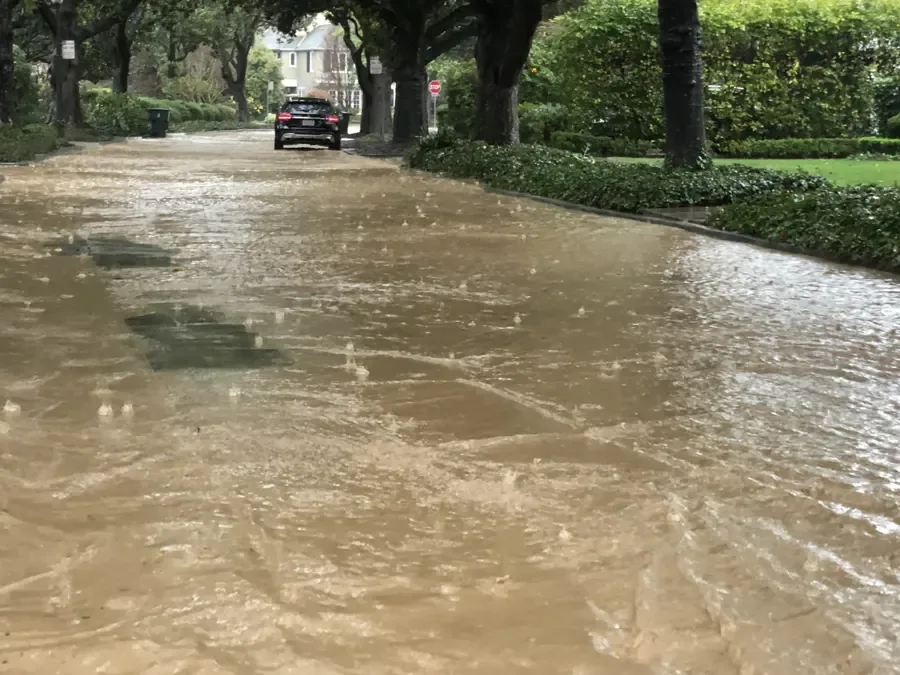
First moves for storm and flash flood cleanup
- 1
Stay out of floodwater
Floodwater can hide live current, sharp debris and sewage. Do not wade in.
- 2
Leave power off
Keep the power off to flooded areas until an electrician checks it.
- 3
Mark the water height
Photograph the high-water mark on walls before anything is moved.
- 4
List damaged contents
Photograph furniture, appliances and stored items for the flood claim.
How storm and flash flood cleanup is handled in Marlton, NJ
Each step follows the IICRC S500 drying standard and leaves a record for the claim file.
- 1
Make it safe
Power, gas and structural hazards are checked before work starts.
- 2
Extract water and silt
Floodwater and mud come out of floors, the basement and the garage.
- 3
Remove and treat
Porous materials below and just above the water mark come out; surfaces are treated.
- 4
Dry and verify
Dehumidifiers and air movers run until readings reach the drying goal.
What does storm and flash flood cleanup cost in Marlton, NJ?
In Marlton, NJ, storm and flash flood cleanup typically runs $3,000 to $35,000, depending on how deep the water rose, how many rooms it reached, how much porous material must come out and how much silt came in.
Garage or one lower room
$3,000 to $7,000
- Extraction and silt removal
- Category 3 removal
- Antimicrobial
Basement or several rooms
$7,000 to $15,000
- Flood cuts and insulation
- Contents removal
- Structural drying
Whole lower level, deep water
$15,000 to $35,000+
- Full Category 3 removal
- Desiccant drying
- Extended monitoring
Ranges move with the water category, the square footage, the material class and how fast drying started. For a planning number, run the water damage cost calculator.
Water that comes in from outside is Category 3 from the start under the IICRC S500 standard. It has crossed lawns, streets and septic or sewer systems, so the mitigation team treats every porous surface it touched as contaminated.
Where storm flooding hits around the township
The Southwest Branch Rancocas Creek runs along Route 70 and then south past Braddock Mill, Tomlinson Mill and Elmwood roads, and Sharps Run starts in the township and drains toward it. Heavy rain also overwhelms storm drains on flat streets, and runoff finds window wells, walk-out doors and garages.
The township knows how bad it can get. On July 12, 2004, extreme rain over Burlington County failed dams at Crane Lake, Lost Lake, Kenilworth and Elmwood in Evesham, and floodwater reached homes across the Rancocas Creek watershed.
How storm flood cleanup works
- Safety first: power stays off in flooded areas until it is checked, and the crew wears protective equipment.
- Extraction of floodwater and silt from floors and the basement.
- Removal of porous materials the water touched: carpet, pad, drywall to above the water mark, insulation.
- Cleaning and an EPA-registered antimicrobial at its labeled dwell time.
- Structural drying with LGR or desiccant dehumidifiers, verified with daily readings.
Groundwater that seeps up through the slab is covered under basement flooding cleanup, and a pump that quit in the storm under sump pump failure cleanup.
Storm flood cleanup and flood insurance
Surface flooding is usually excluded from homeowners policies and covered only by a separate flood policy. The claim file needs photos of the water mark, a contents list and daily drying logs. Coverage depends on your policy, so check with your own insurer.
Flood resources: FloodSmart.gov and the National Weather Service Mount Holly office for local forecasts and warnings.
Storm and flash flood cleanup across the township and nearby towns
The response team covers ZIP 08053 across Evesham Township, 24/7, from the historic village on Main Street and the Route 70 and Route 73 corridors to Kings Grant, Marlton Lakes, Tomlinson Mill, Woodstream and Greentree.
Nearby coverage reaches Cherry Hill, Mount Laurel, Medford, Voorhees, Haddonfield, Berlin.
Related water damage services nearby
Storm and Flash Flood Cleanup questions
Short, plain answers on storm and flash flood cleanup, from the first call to the last moisture reading.
Run the details past 24/7 dispatchWhy is floodwater always Category 3?
Water from outside has crossed soil, streets and often sewer or septic systems. Under the IICRC S500 standard it is treated as contaminated from the start.
How high does drywall get cut after a flood?
Usually at least a foot above the highest water mark, because water wicks up the drywall. The moisture map decides the exact height.
Does homeowners insurance cover storm flooding?
Usually not. Surface and creek flooding is covered by separate flood insurance. Wind-driven rain through a damaged roof is often treated differently. Check with your own insurer.
Can furniture be saved after a flood?
Solid wood and metal often can be cleaned and dried. Upholstery, mattresses, particleboard and paper that sat in floodwater usually cannot.
How long does it take to dry after a flash flood?
Often five to ten days, depending on how deep the water rose, the materials and the weather. Equipment stays until readings say dry.
Did the July 2004 flood affect the township?
Yes. The July 12, 2004 storm failed several dams in Evesham, including Crane Lake, Lost Lake, Kenilworth and Elmwood, and flooded homes across the Rancocas Creek watershed.
Storm water in the house? Get it out now.
Floodwater carries silt and sewage into every porous surface it touches. The mitigation team responds through storms, day and night.