Basement Flooding Cleanup in Marlton, NJ
The extraction crew pumps the basement down, the mitigation team removes soaked carpet pad and drywall, and the drying team dries the slab and block walls until the readings match a dry reference.
(888) 471-9821Basement under water? Call now.- Slab and block wall drying
- Flood cuts where needed
- 24/7 basement dispatch
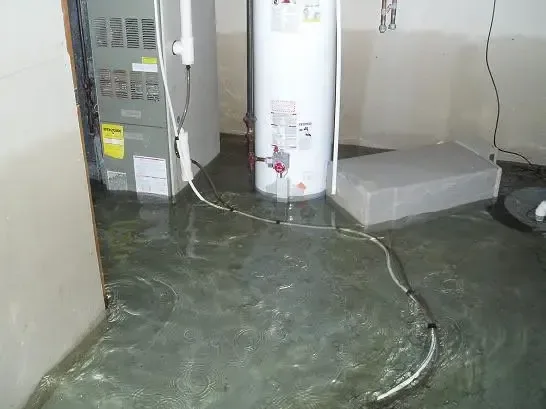
First moves for basement flooding cleanup
- 1
Stay off the stairs if deep
Do not walk into a basement with water near outlets, the furnace or the panel.
- 2
Cut power if safe
Switch off basement circuits only if the breaker panel is dry and reachable from dry ground.
- 3
Find the source
Check the sump pit, the water heater, the washer and the floor drain, and note which one.
- 4
Photograph everything
Record the water depth on a wall, wet boxes and finished areas before anything moves.
How basement flooding cleanup is handled in Marlton, NJ
Each step follows the IICRC S500 drying standard and leaves a record for the claim file.
- 1
Pump and extract
Submersible pumps and truck-mounted extraction empty the basement floor.
- 2
Remove what cannot dry
Pad, soaked drywall, insulation and contaminated carpet come out and are documented.
- 3
Clean and treat
Gray or black water areas get cleaned and an EPA-registered antimicrobial.
- 4
Dry the slab and walls
LGR or desiccant dehumidifiers run until slab and wall readings reach the goal.
What does basement flooding cleanup cost in Marlton, NJ?
In Marlton, NJ, basement flooding cleanup typically runs $2,500 to $20,000, depending on whether the basement is finished, the water category, how deep the water stood and how much carpet, drywall and contents must come out.
Unfinished, clean water
$2,500 to $5,000
- Pumping and extraction
- Slab and wall drying
- Daily readings
Finished basement
$5,000 to $10,000
- Carpet and pad removal
- Flood cuts and insulation
- Dehumidification
Groundwater or sewage, finished
$10,000 to $20,000+
- Category 3 removal
- Antimicrobial
- Contents sorting
Ranges move with the water category, the square footage, the material class and how fast drying started. For a planning number, run the water damage cost calculator.
A flooded basement here usually has one of three sources: groundwater pushing through the slab or the wall joint, a failed sump pump, or a pipe, water heater or washer on the same floor. The tech who does the walkthrough names the source first, because it sets the water category and what has to come out.
What basement flooding cleanup includes
- Pumping and truck-mounted extraction of standing water from the slab and carpet.
- Removal of wet carpet pad, and carpet when the water was gray or black.
- Flood cuts, usually 2 or 4 feet up the drywall, when the wall cavity or insulation is wet.
- Sorting stored boxes and contents: what dries, what is photographed and discarded.
- Drying the slab, block walls, framing and the bottom plate with LGR or desiccant dehumidifiers.
Why basements in the township flood
Many local soils carry a seasonal high water table only 18 to 42 inches below the surface. After long spring rains, snowmelt or a nor'easter, groundwater presses on the slab and the joint where the floor meets the wall. Colonials and split-levels from the 1970s on, in subdivisions like Tomlinson Mill and Woodstream, often rely on a sump pump to hold that water back.
When the pump keeps up, the basement stays dry. When it fails or the power goes out, see sump pump failure cleanup. A floor drain pushing up dirty water is a sewage backup, handled as Category 3.
Drying a finished basement after basement flooding
Concrete and block hold water long after the floor looks dry. The drying team runs dehumidifiers sized to the class of loss, opens the base of finished walls so air reaches the cavity, and reads the slab and the bottom plate every day. A contained loss usually dries in four to seven days; a slab that sat under water for a day or more often runs longer.
Flood coverage is separate from a standard homeowners policy: FloodSmart.gov explains it, and Ready.gov covers safety around floodwater.
Basement flooding cleanup across the township and nearby towns
The response team covers ZIP 08053 across Evesham Township, 24/7, from the historic village on Main Street and the Route 70 and Route 73 corridors to Kings Grant, Marlton Lakes, Tomlinson Mill, Woodstream and Greentree.
Nearby coverage reaches Cherry Hill, Mount Laurel, Medford, Voorhees, Haddonfield, Berlin.
Related water damage services nearby
Basement Flooding Cleanup questions
Short, plain answers on basement flooding cleanup, from the first call to the last moisture reading.
Run the details past 24/7 dispatchWhy does my basement flood when it rains hard?
Many local soils hold a seasonal high water table close to the surface. After heavy rain or snowmelt, groundwater pushes through the slab and the wall joint, and a sump pump that cannot keep up lets it pool.
Is groundwater in the basement clean water?
No. Water that came through soil and concrete is usually treated as at least Category 2, and it becomes Category 3 when it mixes with storm runoff or sewage.
Does finished basement drywall have to come out?
Not always. Drywall that wicked clean water a few inches can sometimes be dried with the base opened. Drywall that is saturated, holding wet insulation or touched by Category 3 water is cut out.
How long does a flooded basement take to dry?
Usually four to seven days for a contained loss. Concrete and block release water slowly, so a basement that sat under water for a long time can take longer.
Will homeowners insurance pay for a flooded basement?
It depends on the source. A burst pipe is usually treated as sudden and accidental, groundwater and surface flooding usually need flood insurance, and sump overflow often needs a backup endorsement. Check with your own insurer.
Can stored boxes and furniture be saved?
Hard furniture often can. Cardboard, paper and upholstery that soaked up gray or black water usually cannot. Everything removed is photographed for the claim file.
Water in the basement? Start the pump-out now.
Water on a slab keeps feeding the walls, the carpet pad and the framing. The extraction crew dispatches around the clock.