Basement Flooding Cleanup in Stratford, NJ
A flooded low level ties up the whole house, because water reaches the mechanicals, the stored belongings and the framing at once. The cleanup crew pumps, extracts and then dries every surface that took it on.
(888) 471-9821Get the basement pumped- Pumping and extraction
- Flood cuts when needed
- Readings logged daily
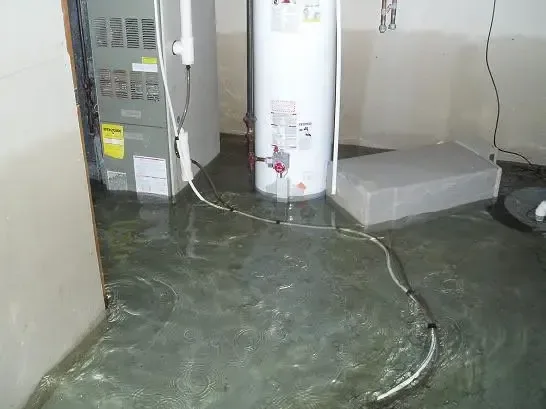
First moves for basement flooding cleanup
- 1
Find the entry point
Check whether water is rising from a drain, the sump pit, a pipe or the ground, and stop any supply source.
- 2
Cut power below water
Turn off the circuits for the lower level at the main panel, and do not wade into deep water near outlets.
- 3
Photograph and note
Record the waterline on the walls and the stored items affected before anything is moved.
- 4
Move the dry things
Carry boxes and furniture upstairs, and leave wet carpet and drywall for the crew.
How basement flooding cleanup is handled in Stratford, NJ
Each step follows the IICRC S500 drying standard and leaves a record for the claim file.
- 1
Pump and extract
Standing water goes first, then the floor is extracted so air movers work on damp material rather than puddles.
- 2
Strip the wet finishes
Pad, carpet and soaked drywall are removed up to the waterline.
- 3
Treat what remains
Exposed framing and slab get antimicrobial treatment when the water was contaminated.
- 4
Dry to readings
Dehumidifiers run until the slab and wall bases test dry.
What does basement flooding cleanup cost in Stratford, NJ?
Cost climbs with the depth of the water, whether the space is finished and whether the water was clean. An unfinished floor with clean water sits at the low end, and a finished space with sewage or groundwater reaches the top.
Unfinished floor, clean water
$2,500 to $5,000
- Pumping and extraction
- Slab and wall drying
- Readings every day
A finished lower level
$5,000 to $10,000
- Carpet and pad removal
- Flood cuts and insulation
- Dehumidification
Sewage or groundwater, finished
$10,000 to $20,000+
- Category 3 removal
- Antimicrobial treatment
- Contents sorting
Ranges move with the water category, the square footage, the material class and how fast drying started. For a planning number, run the water damage cost calculator.
A basement does not drain on its own. Whatever came in stays until a pump and an extraction crew take it out, and the walls keep wicking water upward long after the floor looks dry.
Where the water comes from
Groundwater pushing through the floor or walls, a split supply pipe, an overflowing pit, a washer hose or a drain that backs up can each put water in a lower level. The source decides how the water is classed and how the work proceeds.
- Clean supply water is pumped, extracted and dried in place when the finishes allow it.
- Groundwater and drain water are treated as contaminated, so porous materials come out.
When the cause is a pit pump that quit, see sump pump failure cleanup, and when it is storm runoff, see storm and flash flood cleanup.
The sewer exposure owners carry
The borough Sewer Utility page warns that it is not responsible for damage when sewage backs up through plumbing fixtures below grade, and that the lateral to the main belongs to the owner. For any basement bathroom, floor drain or laundry sink, that puts the cleanup cost on the property owner, which makes good records worth the effort.
- Photograph the water level and the drain before anything is moved.
- Keep the plumber's findings and receipts with the moisture log.
- Ask the plumber for a written finding on why the drain backed up.
Drying a below-grade space
Concrete holds moisture for a long time, so air movers and dehumidifiers are paired with meter readings on the slab and the wall bases. Finished spaces add carpet, pad and drywall that often have to go, and the crew cuts only as high as the water traveled.
Dehumidifiers and air movers are sized to the room, because a closed lower level has little natural airflow.
Readings are logged each visit until the structure matches dry reference material, and only then does the equipment leave.
Basement flooding cleanup across Stratford and nearby towns
Lower-level cleanups cover Old Stratford, the streets around Laurel Mill Farms and the neighborhoods along Union Avenue and Warwick Road, wherever a basement or low room has taken on water.
The same service nearby: basement flooding cleanup in Marlton, Somerdale, Lindenwold.
Related water damage services in Stratford
Basement Flooding Cleanup questions
Short, plain answers on basement flooding cleanup, from the first call to the last moisture reading.
Run the details past 24/7 dispatchHow fast does a flooded basement need attention?
Quickly, because drywall wicks water upward and carpet pad holds it. Extraction in the first day or two limits how much material has to be removed and keeps mold from getting started.
Can the water be pumped out all at once?
When groundwater is the cause, the crew may lower the level in stages so the surrounding soil pressure does not push against the walls. Clean supply leaks can be pumped right away.
Who pays when sewage comes up a floor drain?
The borough Sewer Utility says it is not responsible for backups through fixtures below grade, so owners should read their own policy and keep the cleanup records together.
Will the contents be saved?
Hard items can often be cleaned and dried, while cardboard, upholstery and porous goods that sat in contaminated water are usually discarded.
Does a dehumidifier alone fix a damp basement?
No. It helps after the water is out, but standing water, wet pad and wet drywall must be removed first or the equipment just recirculates moisture.
Is a musty smell a sign of a bigger problem?
A musty smell means materials are still wet or damp. It usually fades once wet pad and drywall are removed and the slab is dried to readings.
Can the floor drain be blamed for the water?
If water comes up through a drain, the cause may be a blocked lateral or a sewer backup. A plumber should look at it, and the cleanup treats the water as contaminated.
A wet lower level will not wait for the weekend
Describe the depth, the finishes and the source, and the crew will map out the pump-out and drying plan.