Water Extraction in Stratford, NJ
Standing water sinks into pad, baseboards and subfloor fast. In Stratford, extractors pull it out first, so drying equipment has far less moisture to fight afterward.
(888) 471-9821Get the water out now- Truck-mounted units
- Weighted carpet extraction
- Pad and baseboard checks
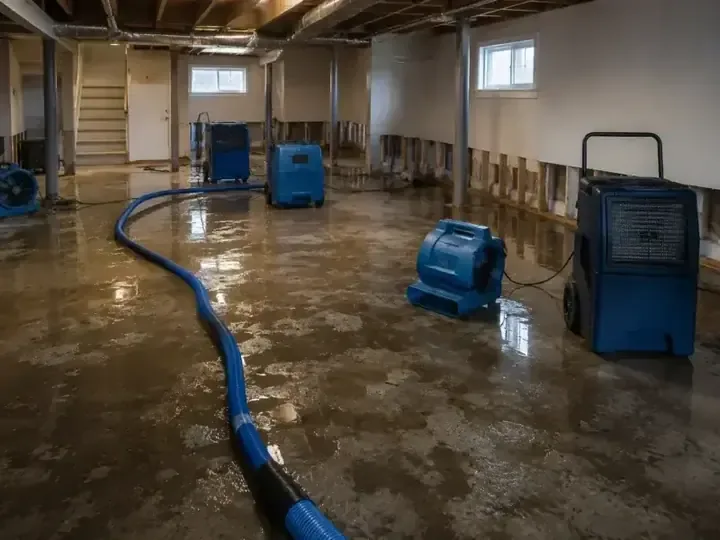
First moves for water extraction and removal
- 1
Stop the source
Close the shutoff valve for a pipe or appliance leak. Outdoor water has to recede before extraction can finish.
- 2
Power down wet areas
Turn off circuits that serve the wet floor and stay out of standing water until the electricity is confirmed safe.
- 3
Photograph the water
Capture the depth, the affected rooms and any damaged contents before pumping or carpet removal begins.
- 4
Move what is dry
Lift small furniture and electronics out of the wet area, and leave carpet, pad and drywall for the crew.
How water extraction and removal is handled in Stratford, NJ
Each step follows the IICRC S500 drying standard and leaves a record for the claim file.
- 1
Assess the water
Meters and cameras map how far the water traveled and which materials absorbed it.
- 2
Pull the bulk
Extractors remove standing water and wring carpet and pad on the first pass.
- 3
Remove what cannot dry
Saturated pad and soaked baseboard are bagged out so they cannot hold water against framing.
- 4
Hand off to drying
Equipment is set, readings are logged and the next visit checks progress.
What does water extraction and removal cost in Stratford, NJ?
Extraction alone costs less than a full drying job, and the range follows how many rooms are wet and whether the water was clean. The figures below cover typical extraction work.
One room of clean water
$900 to $1,800
- Truck-mounted pickup
- Pad pulled when soaked
- Moisture readings taken
Several rooms or stairs
$1,800 to $4,000
- Weighted carpet extraction
- Baseboard checks
- Drying equipment placed
The whole lower level
$4,000 to $8,000+
- Pumping and slab extraction
- Carpet and pad removal
- Extended drying
Ranges move with the water category, the square footage, the material class and how fast drying started. For a planning number, run the water damage cost calculator.
Water that has sat on a floor is already traveling into places a mop never reaches. The extraction crew starts at the lowest point, removes the bulk water, then checks what the floor, baseboards and walls absorbed.
How the water comes out
Truck-mounted units handle large volumes, while portable extractors reach stairs, closets and rooms a hose cannot run to. On carpet, a weighted tool presses the fibers so water rises out of the pad underneath instead of staying there.
- Wand extraction on tile, vinyl and sealed hardwood lifts thin films of water before they find the seams.
- Carpet and pad extraction comes first, with the pad lifted when it holds more than a machine can pull.
Large losses call for pumps first, then extractors. A submersible pump lowers deep water quickly, and the extraction crew follows with wands to take the film and the soaked pad that a pump cannot reach.
Why the first hours matter
Drywall wicks water upward, and baseboards, door casings and subfloor soak it in from the edges. Each extra wet day adds swelling, staining and a real chance of mold, which turns a drying job into a tear-out job.
- Clean supply water gives the widest window to save finishes in place.
- Creek-fed or storm water is handled as Category 3, with more removal and more care.
Extraction hands off to drying, which is covered under structural drying and dehumidification. A loss that began as a sewage problem follows sewage backup cleanup instead.
Extraction for Stratford homes and shops
Big Timber Creek runs through the borough, and the June 2019 storms flooded creeks across Camden County. That history is regional, but it is a fair reason to treat any outdoor water that enters a building as contaminated. Water that comes in through a door or a window well counts as outdoor water, however clear it looks.
After extraction, thermal cameras and moisture meters show what is still wet, and the drying team sets equipment to match. Extraction alone never finishes a job. It only makes the rest of the work shorter.
Water extraction and removal across Stratford and nearby towns
Extraction work runs from the shops and dealerships along the White Horse Pike to the houses of Old Stratford and the streets around Laurel Mill Farms, with Berlin Road and Arlington Avenue businesses included.
The same service nearby: water extraction and removal in Marlton, Somerdale, Lindenwold.
Related water damage services in Stratford
Water Extraction and Removal questions
Short, plain answers on water extraction and removal, from the first call to the last moisture reading.
Walk dispatch through what you seeCan extraction start before the source is fixed?
Yes for most pipe and appliance leaks once the valve is closed. For outdoor flooding the crew waits until the water stops rising, since pumping against a rising level only repeats the work.
Is carpet saved or thrown out?
Clean-water carpet is often extracted and dried in place, while the pad underneath is usually replaced. Carpet soaked by sewage or flood water is removed because it cannot be made safe.
What if the water has soaked into the walls?
Moisture meters and thermal cameras trace it, and wet baseboards or lower drywall may be opened so the cavity can dry.
How is extraction different from drying?
Extraction removes liquid water. Drying removes the moisture left in materials and in the air, and it takes equipment and readings over several visits.
What should be photographed first?
Photograph the waterline, the wet floor and any labels on damaged contents before anything is moved, since adjusters rely on that record.
Does the same crew handle the drying?
Usually yes, and that continuity helps because the crew that extracted knows exactly which areas and materials need the most attention.
Can extraction be done on a finished floor?
Yes. Carpet is lifted and extracted, tile and vinyl are wanded, and the pad or wet baseboard that cannot dry is removed before drying begins.
Standing water goes deeper by the hour
Describe the damage, the flooring and how long the water has sat, and the crew will outline the first steps.