Frozen Pipe Cleanup in Stratford, NJ
A pipe that freezes often splits quietly, and the flood begins only when the ice melts. The cleanup crew finds the wet wall or ceiling, extracts the water and dries the cavity before it spreads further.
(888) 471-9821Dry the thawed pipe damage- Thaw-flood extraction
- Wall and ceiling opening
- Multi-level drying
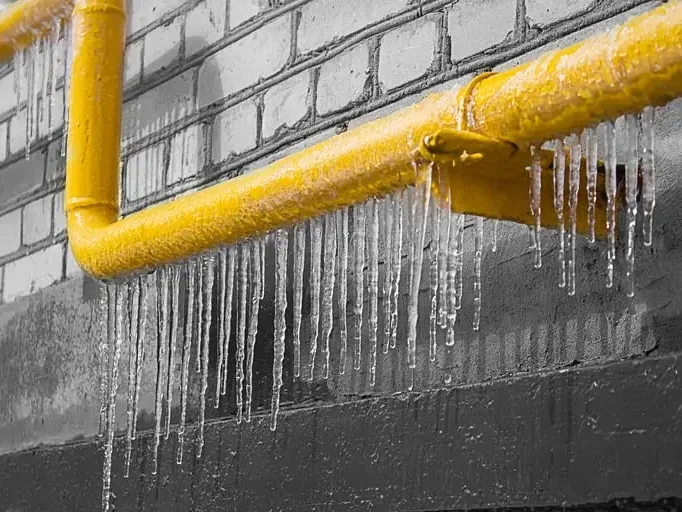
First moves for frozen pipe cleanup
- 1
Close the main valve
Shut off the main water valve when a split or drip is found, then open a low faucet.
- 2
Cut the power
Switch off circuits for any room with a wet ceiling or wall.
- 3
Skip the flame
Torches and open flames near a frozen pipe start fires, so use warm air only.
- 4
Photograph the wet areas
Record the split, the water and the damaged finishes first.
How frozen pipe cleanup is handled in Stratford, NJ
Each step follows the IICRC S500 drying standard and leaves a record for the claim file.
- 1
Locate the wet cavities
Meters and thermal cameras trace the water through walls and ceilings.
- 2
Extract and open
Standing water is removed, then wet drywall and insulation are cut back.
- 3
Dry the structure
Equipment runs on the cavities and floors until readings fall.
- 4
Confirm and document
The final log and photos go to the owner and the adjuster.
What does frozen pipe cleanup cost in Stratford, NJ?
A split found as the ice melts and confined to one wall stays near the low end. Costs rise when water ran for hours, reached a second level or soaked a finished basement before anyone noticed it.
One wall, caught at the thaw
$1,500 to $4,500
- Extraction
- Wet insulation removal
- Cavity drying
Several rooms or a ceiling
$4,500 to $10,000
- Ceiling and wall removal
- Flooring checks
- LGR dehumidifiers
Hours of flow, two levels
$10,000 to $25,000+
- Multi-level drying
- Finished basement removal
- Contents handling
Ranges move with the water category, the square footage, the material class and how fast drying started. For a planning number, run the water damage cost calculator.
Frozen pipes fool people. The pipe holds while it is frozen, so the house looks fine, and then a warm afternoon turns the ice to water that pours out of the split into whatever is nearby.
Why the damage shows up at the thaw
Ice expands inside a pipe and cracks the wall, usually between the blockage and the closed faucet. When temperatures climb, the crack opens and full supply pressure runs into the wall or ceiling. That is why a cold snap can leave a flood a day or two later, when nobody is watching.
- Shut the main valve the moment a split is found, then open a faucet to drain the pipes.
- Turn off power to any room with water inside the ceiling or wall.
Pipes in unheated spaces and exterior walls freeze first, which is why the wet area is often along the outer edge of a house. Meters follow the water inward from there, so the damage is mapped instead of guessed.
Older houses and cold exposure
Census data puts the median home build year near 1961, and older houses often run supply pipes through exterior walls and unheated spaces, which are the places a hard freeze reaches first.
Insulation soaked at the thaw is removed, because it holds water against the wall and keeps the cavity wet long after the surface dries.
After the plumber leaves
A plumber replaces the split section, and then the restoration team dries what the water reached. Both should photograph the split and the wet areas for the claim. A pipe that failed for another reason is covered under burst pipe cleanup, and a stained ceiling below a wet floor is covered by ceiling leak water damage.
Frozen pipe cleanup across Stratford and nearby towns
Cold snap cleanups cover Old Stratford, the neighborhoods around Union Avenue and Warwick Road and the businesses on Berlin Road and Arlington Avenue, wherever a thawed pipe has wet a wall or ceiling.
The same service nearby: frozen pipe cleanup in Marlton, Somerdale, Lindenwold.
Related water damage services in Stratford
Frozen Pipe Cleanup questions
Short, plain answers on frozen pipe cleanup, from the first call to the last moisture reading.
Walk dispatch through what you seeCan a frozen pipe be dangerous before it splits?
The pipe itself is not leaking yet, but the thaw can release water suddenly. Keep a faucet open, know where the main valve is and watch the ceilings below the frozen run.
How can I tell where the water went?
Look for stains, bulges and soft spots on ceilings and lower walls. A moisture meter finds water that has not shown on the surface.
Should I thaw the pipe myself?
A hair dryer or warm towels are the only safe options. A plumber should handle anything more, and should check the pipe for a crack before the water is turned back on.
Does the cleanup wait for the plumber?
Extraction can start once the water is shut off, and drying can follow while the plumber repairs the pipe.
Will the insulation have to be replaced?
Wet insulation almost always has to come out, because it stays wet against the framing and can start to smell.
Does this pipe damage always count as a covered loss?
Policies differ, so the adjuster decides. Dated photos and a moisture log give the claim its best footing.
A thawed pipe floods faster than it froze
Tell the crew which walls and ceilings are wet and how long the water ran, and the drying plan will follow.