Storm and Flash Flood Cleanup in Berlin, NJ
Floodwater carries silt and contamination, so the response team removes the water, strips what it soaked and dries the building to readings before finishes go back.
(888) 471-9821Call about flood damage- Silt and runoff removed
- Category 3 handled
- Structural drying
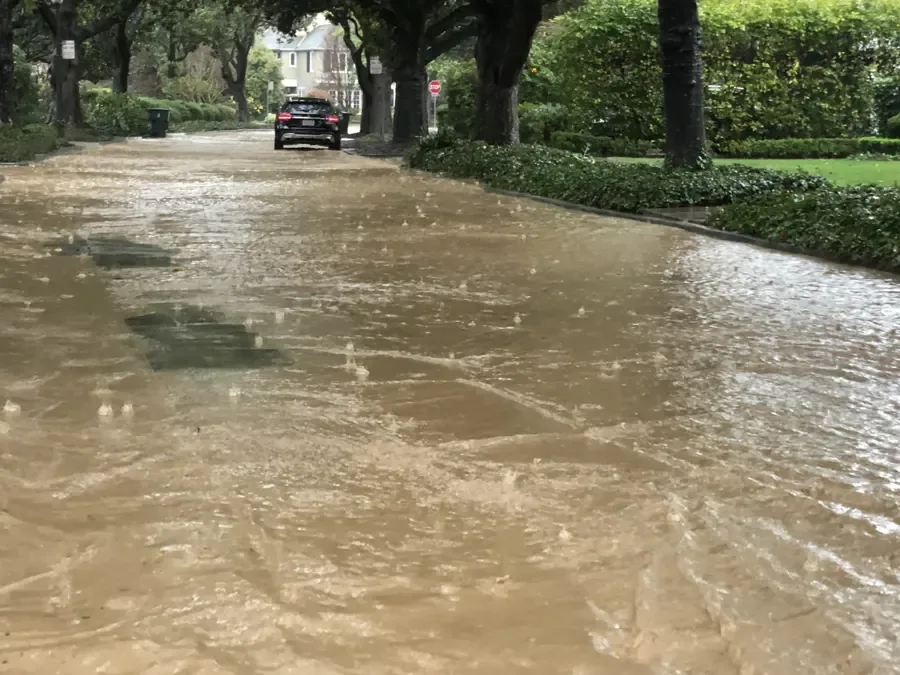
First moves for storm and flash flood cleanup
- 1
Stay out of the water
Floodwater can hide wiring, sharp debris and contamination.
- 2
Shut off power
Breakers for flooded areas stay off until the water is gone and the circuits are checked.
- 3
Do not wash it down
Hosing silt around spreads it into dry rooms, so leave cleanup to the extraction crew.
- 4
Photograph the damage
Mud marks, ruined contents and wet walls support the claim.
How storm and flash flood cleanup is handled in Berlin, NJ
Each step follows the IICRC S500 drying standard and leaves a record for the claim file.
- 1
Make it safe
Power is checked, access is cleared and the water category is confirmed.
- 2
Remove water and silt
Extractors and pumps empty the space, and mud is shoveled out.
- 3
Strip and disinfect
Porous materials come out and hard surfaces are cleaned and treated.
- 4
Dry and verify
Dehumidifiers run until framing and slab reach a dry reference.
What does storm and flash flood cleanup cost in Berlin, NJ?
A garage or one lower room usually costs $3,000 to $7,000. A basement or several rooms rises, and deep water across a whole lower level reaches the top of the range because every porous material is removed.
One garage or lower room
$3,000 to $7,000
- Water and silt extracted
- Soaked materials removed
- Surfaces disinfected
Basement or several rooms
$7,000 to $15,000
- Wall sections and insulation
- Contents moved out
- Cavity and slab drying
Whole level, deep water
$15,000 to $35,000+
- Complete Category 3 removal
- Desiccant dehumidifiers
- Long monitoring period
Ranges move with the water category, the square footage, the material class and how fast drying started. For a planning number, run the water damage cost calculator.
Flash floods leave more than water. Silt, runoff and whatever the water crossed come inside with it, and porous materials that touched floodwater are rarely worth saving. The extraction crew handles it as a contamination job first and a drying job second.
Water courses and regional storms
The hazard plan names the Great Egg Harbor River and Tinkers Branch as the major water courses in the borough and rates flood and dam failure as high-priority hazards. Two regional events set the scale: June 19 and 20, 2019 brought flash flooding across southern New Jersey, with Camden County damage estimated above $9 million, and July 6, 2026 brought nearly 3 inches of rain during one hour. Neither is tied to a specific local address.
- Rainfall totals matter less than how fast the water arrives and where it can drain.
- Garages, lower rooms and finished basements take the first hit.
What comes out and what stays
Carpet, pad, insulation and the bottom of drywall that touched floodwater come out. Hard surfaces such as concrete and tile are cleaned and treated with antimicrobial, and framing is dried and checked.
- Camden County officials said after the 2019 flood that items which cannot be washed and disinfected, including mattresses, carpeting and rugs, should be discarded immediately.
- Contents that can be cleaned are sorted from those that cannot before anything leaves the house.
Drying after the mud is gone
Once silt and soaked materials are out, dehumidifiers and air movers dry what remains. See structural drying for the equipment and basement flooding cleanup for lower-level work.
Storm and flash flood cleanup across Berlin and nearby towns
Flood calls can come from any part of the borough, including streets near the historic district, the blocks around Cross Keys Road and Franklin Avenue, and properties along the White Horse Pike and Route 73.
The same service nearby: storm and flash flood cleanup in Marlton, Lindenwold, Stratford.
Related water damage services in Berlin
Storm and Flash Flood Cleanup questions
Short, plain answers on storm and flash flood cleanup, from the first call to the last moisture reading.
Run the details past 24/7 dispatchIs floodwater from a storm contaminated?
Yes. Runoff and floodwater pick up soil, chemicals and bacteria, so they are handled as Category 3 water, and porous materials they touch are removed and disposed of.
What did Camden County officials advise after the 2019 flood?
They said water-damaged items that cannot be washed and disinfected, such as mattresses, carpeting and rugs, should be discarded immediately.
Which water courses are in the hazard plan?
The plan names the Great Egg Harbor River and Tinkers Branch as the major water courses in the borough and lists flood and dam failure among its high-priority hazards.
Can flood damage be dried without tearing anything out?
Hard materials like concrete and some framing can be dried in place after cleaning. Carpet, pad, insulation and low drywall that touched floodwater come out.
Does homeowners insurance cover flood damage?
Standard homeowner policies usually exclude flood from rising water, which is covered by separate flood insurance. Wind-driven rain, a burst pipe or a sewer backup endorsement follow different rules, so the cause matters.
Clean it before it settles in
The extraction crew removes the water and silt, strips what the flood soaked and dries the structure to readings.