Water Extraction and Removal in Berlin, NJ
Standing water on a floor keeps soaking into pad, baseboards and framing. Truck-mounted and portable extractors take it out first so drying can start on what is left.
(888) 471-9821Call about standing water- Truck-mounted extraction
- Pad removal when needed
- Moisture mapped first
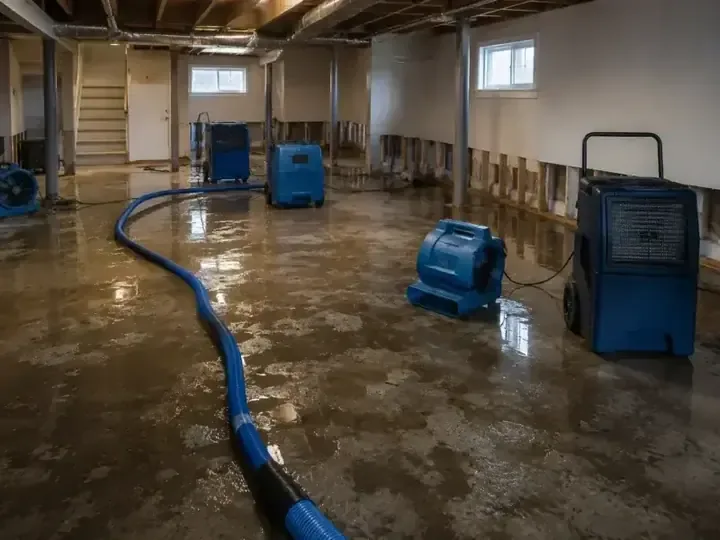
First moves for water extraction and removal
- 1
Stop the source
Shut the valve or the appliance feeding the water so the pool stops growing while the extractors are set up.
- 2
Cut power to wet outlets
Breakers for flooded rooms come off before anyone steps into standing water or moves a cord.
- 3
Keep off wet carpet
Walking soaked carpet pushes water deeper into the pad and spreads grime across dry floor.
- 4
Photograph the water
Wide and close shots of the water level, the source and wet belongings support the claim later.
How water extraction and removal is handled in Berlin, NJ
Each step follows the IICRC S500 drying standard and leaves a record for the claim file.
- 1
Assess the water
The tech checks the source, the water category and how far it traveled under flooring.
- 2
Extract at the surface
Wands and weighted tools work across floors and carpet until readings stop rising.
- 3
Lift what cannot dry
Saturated pad and loose trim come out so the subfloor can release moisture.
- 4
Hand off to drying
Starting readings are logged for the drying team and the adjuster.
What does water extraction and removal cost in Berlin, NJ?
A single clean-water room usually runs $900 to $1,800. Cost climbs with each added room, the time the water sat and whether pad or drywall has to come out.
One wet room, clean source
$900 to $1,800
- Extraction at the floor
- Pad lifted if soaked
- Meter readings taken
Several rooms or stairs
$1,800 to $4,000
- Weighted carpet extraction
- Baseboard moisture checks
- Drying equipment set
Whole lower level
$4,000 to $8,000+
- Slab pumping and extraction
- Carpet and pad removal
- Extended drying time
Ranges move with the water category, the square footage, the material class and how fast drying started. For a planning number, run the water damage cost calculator.
Water that sits on a floor does not stay on the floor. It wicks up baseboards, slips under flooring and soaks into pad, so the first job in any Berlin water loss is pulling it out. The extraction crew starts there, before a single air mover is set.
Why the water comes out before the equipment goes in
Dehumidifiers and air movers manage moisture in air and materials, but they are slow at lifting liquid water. Every gallon an extractor removes is a gallon those machines never have to evaporate, which shortens the whole job.
- Truck-mounted units run long hoses into rooms, while portable extractors reach stairs, closets and tight corners.
- Weighted wands press water out of carpet and pad, which hold far more than the surface suggests.
Heavy rain and flat ground
The county hazard plan describes the borough as predominantly flat land, so a downpour has few places to run. Regional storms show how fast water can build: more than 5 inches of rain in about 5 hours across Camden County in June 2019, and nearly 3 inches during one hour in July 2026. Neither event is tied to a single address here, but both explain why extraction demand follows summer storms.
- Clean water from a split supply pipe can often be extracted and dried in place.
- Floodwater, drain water and anything that crossed a dirty floor shifts the job to removal and disinfection.
What happens once the surface water is gone
A technician checks floors, walls and ceilings with a moisture meter and thermal camera to see where the water traveled. Pad usually comes out, carpet may be lifted and floated, and baseboards get a second look.
Starting readings are logged so the drying team and the adjuster work from the same numbers. From there, structural drying takes over, and deeper floods fall under basement flooding cleanup.
Water extraction and removal across Berlin and nearby towns
Extraction jobs run from the older streets of the historic district off Washington Avenue to homes and shops along the White Horse Pike and Cross Keys Road, and out to the east side near Route 73.
The same service nearby: water extraction and removal in Marlton, Lindenwold, Stratford.
Related water damage services in Berlin
Water Extraction and Removal questions
Short, plain answers on water extraction and removal, from the first call to the last moisture reading.
Walk dispatch through what you seeCan standing water be removed without tearing out the floor?
Often yes. Clean water caught early can be extracted from hardwood, tile and many carpeted floors, then dried in place. Pad that stayed soaked is usually the first thing to go.
Why does extraction come before dehumidifiers?
Dehumidifiers pull moisture from air and materials, but they are slow at removing liquid water. Extractors take out the bulk first, which shortens drying and lowers the equipment bill.
How much rain does it take to flood a floor?
It depends on drainage, not just totals. Camden County saw more than 5 inches in about 5 hours in June 2019, and the hazard plan describes the borough as predominantly flat land.
Is extracted water always clean?
No. A supply pipe or appliance leak starts clean, but water that crosses floors, picks up soil or comes from a drain is treated as contaminated and handled with removal and disinfection.
Should carpet be pulled right away?
Not always. If the water was clean and caught early, carpet can sometimes be floated and dried, while pad usually comes out. Carpeting and rugs that cannot be washed and disinfected are discarded, as county officials advised after the 2019 flood.
How long does extraction take?
A single room is often finished in a few hours, while a whole lower level can take a full day of pumping and extraction before drying equipment is set.
Pull the water before it spreads
The extraction crew brings truck-mounted equipment, removes the water and hands the drying team a clean set of starting readings for the claim file.