Commercial Water Damage in Berlin, NJ
A wet storefront or office loses income by the hour. The response team extracts the water, contains the damage and phases the drying so the rest of the building can keep working.
(888) 471-9821Call about a wet business- Phased drying plans
- After-hours work
- Documented for carriers
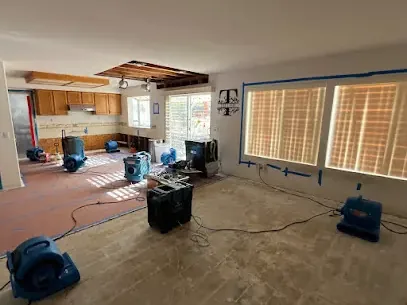
First moves for commercial water damage
- 1
Stop the water
Close the valve or the supply to the affected suite and tell the property manager.
- 2
Cut power to wet areas
Breakers for flooded suites come off, and tenants stay out of standing water.
- 3
Move inventory
Lift stock, files and equipment onto shelves or carts away from the wet floor.
- 4
Document the loss
Photograph the water, the damaged stock and any shared walls it crossed.
How commercial water damage is handled in Berlin, NJ
Each step follows the IICRC S500 drying standard and leaves a record for the claim file.
- 1
Walk the building
The tech maps the wet areas, the tenants affected and the shared walls and ceilings.
- 2
Extract and contain
Water is removed and barriers keep drying zones separate from open space.
- 3
Phase the drying
Equipment runs on a schedule that works around staff, customers and tenants.
- 4
Report to owners
One log goes to the owner, manager and carrier with each suite broken out.
What does commercial water damage cost in Berlin, NJ?
A single suite or small shop usually runs $3,000 to $10,000. Large floors or several units cost more, and multi-floor losses or Category 3 water reach the top of the range because containment and long monitoring are required.
Single suite or small shop
$3,000 to $10,000
- Water extracted
- Containment barriers
- Dried without demolition
Large floor or several units
$10,000 to $30,000
- Carpet tile and ceiling tiles out
- Drying in phases
- Work after closing
Several floors or Category 3
$30,000 to $75,000+
- Contamination protocol
- Large dehumidifier fleet
- Long monitoring period
Ranges move with the water category, the square footage, the material class and how fast drying started. For a planning number, run the water damage cost calculator.
Commercial water losses are about keeping the doors open. Carpet tile, drop ceilings, shared walls and neighboring tenants all change how water spreads and how drying has to be staged, and the response team plans around them. Large losses often cross from one suite to the next, so the walkthrough starts with the shared walls.
Corridors and buildings
The White Horse Pike, which is U.S. Route 30, is the main highway through the borough, and Cross Keys Road is another main corridor. Shops and offices along them, and in the surrounding blocks, range from single suites to multi-tenant buildings.
- Water in one suite often reaches the neighbor through shared walls and ceilings.
- Carpet tile can be lifted, dried and reset if the water was clean.
Buildings with sensitive occupants
The county hazard plan lists schools, child care centers and an assisted living facility among the borough's critical facilities, and in the 2010 data educational services, health care and social assistance made up its largest industry. Buildings like these need careful containment, clear communication and a drying plan that fits their schedules.
- Containment barriers and air scrubbers keep dust and odors away from occupied areas.
- Work moves in phases, so unaffected spaces stay open.
Reporting the loss
Property managers need timelines, photos and moisture logs for insurers and tenants. The drying team keeps one record for the building, with each suite broken out. For clean-water floods see water extraction, and for contamination see sewage backup cleanup.
Commercial water damage across Berlin and nearby towns
Commercial calls come from the White Horse Pike and Cross Keys Road corridors, the shops and offices near Franklin Avenue and Washington Avenue, and the east side near Route 73.
The same service nearby: commercial water damage in Marlton, Lindenwold, Stratford.
Related water damage services in Berlin
Commercial Water Damage questions
Short, plain answers on commercial water damage, from the first call to the last moisture reading.
Run the details past 24/7 dispatchCan a business stay open during drying?
Often yes. Containment and phased drying keep wet areas separate, and loud work can be scheduled after closing.
Does carpet tile have to be thrown out?
Not always. If the water was clean and caught early, tiles can be lifted, dried and reset. Contaminated water means they are discarded.
What happens when water spreads to a neighboring suite?
The drying team maps each affected space and keeps separate records for each suite, so owners and carriers can sort out responsibility.
Which records do property managers receive?
Photos, moisture maps, daily readings and an equipment log, organized by suite and by day, so insurers and tenants see the same facts.
How are schools and care facilities handled?
Containment, air scrubbing and phased work protect occupants, and the plan is built around the building's schedule. Each project is scoped on its own.
Get the doors open again
The response team contains the damage, dries in phases around the business and delivers the records the carrier needs.