Storm and Flash Flood Cleanup in Haddonfield, NJ
Floodwater from a storm brings silt and bacteria into a home, and the response team removes it, takes out contaminated materials and dries the structure.
(888) 471-9821Call about storm flooding- Silt and floodwater removal
- Contaminated materials out
- Antimicrobial treatment
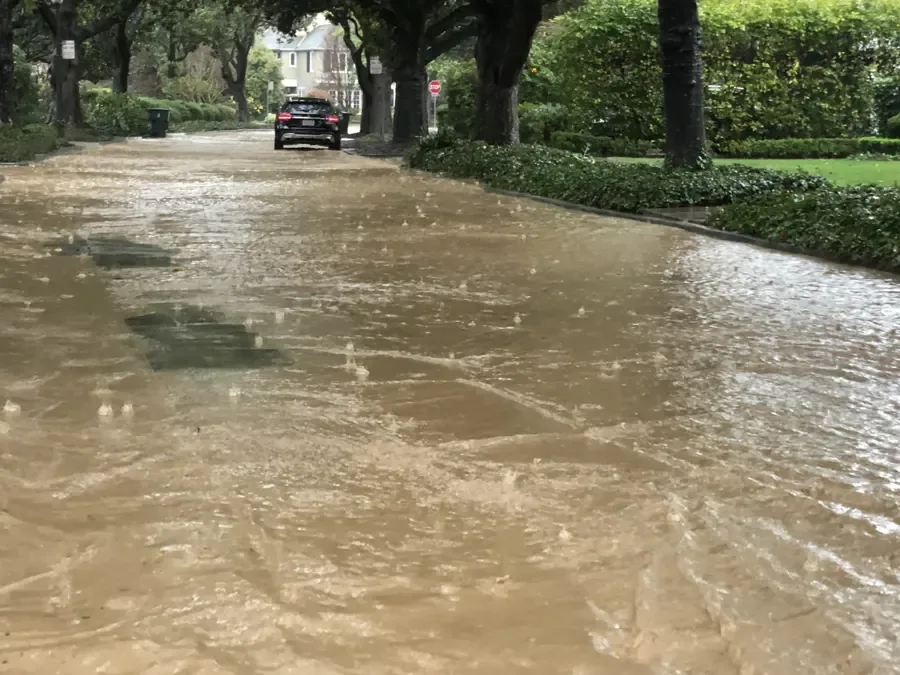
First moves for storm and flash flood cleanup
- 1
Stay out of floodwater
Do not wade or drive through it, and keep power off in any room with water in it.
- 2
Document before moving
Photograph water marks, mud and damaged items before cleanup begins.
- 3
Lift what can be saved
Raise dry belongings and set aside soaked soft goods for the adjuster.
- 4
Call for removal
Silt, soaked pad and wet drywall need removal, not just drying.
How storm and flash flood cleanup is handled in Haddonfield, NJ
Each step follows the IICRC S500 drying standard and leaves a record for the claim file.
- 1
Assess and contain
Water depth, silt and spread are noted, and dry areas are kept clear of contamination.
- 2
Remove water and silt
Pumps and extractors clear the water, and silt is shoveled and hauled out.
- 3
Strip and treat
Soaked pad, drywall and insulation come out and surfaces are cleaned.
- 4
Dry and verify
Dehumidifiers and air movers run until readings come back normal.
What does storm and flash flood cleanup cost in Haddonfield, NJ?
Storm flood cleanup usually runs $3,000 to $7,000 for a garage or one lower room, $7,000 to $15,000 for a finished lower level or several rooms and $15,000 to $35,000+ for deep water across a whole lower level.
Garage or one low room
$3,000 to $7,000
- Water and silt extraction
- Contaminated material out
- Antimicrobial wash
Finished lower level or several rooms
$7,000 to $15,000
- Flood cuts and insulation
- Belongings removed
- Structural drying
Whole lower level, deep water
$15,000 to $35,000+
- Full contaminated removal
- Desiccant drying
- Extended monitoring
Ranges move with the water category, the square footage, the material class and how fast drying started. For a planning number, run the water damage cost calculator.
Flood cleanup differs from leak cleanup because the water has been outside first. In Haddonfield, the Cooper River gauge and the street flooding after the early July 2023 storm show how storm water can reach buildings, even when it later drains away.
Reading the Cooper River gauge
The National Weather Service gauge reads 2.5 feet when the river starts to overflow into Maria Barnaby Greenwald Park. At 5.5 feet, Grove Street and Coles Mill Road begin to take on water, and at 7 feet Coles Mill Drive is impassable.
- At 4.5 feet, the walking and biking paths between Greenwald Park and Wallworth Lake flood.
- The Cooper River, Hopkins Pond and Evans Pond are the only surface water bodies in the borough, and the stormwater system outfalls into the river.
What storm water leaves behind
Storm water carries silt, bacteria and debris, so the response team treats everything it touched as contaminated. Carpet, pad and low drywall usually come out, and hard surfaces are washed and treated with antimicrobial.
One resident described street water of about three feet at the lowest point after the July storm, and said it drained quickly. Damage inside a building does not drain with it: silt and moisture stay behind.
Staying safe around floodwater
The National Weather Service told people not to drive or walk through flood waters, and the same caution applies indoors until power is off and the water is out. Related work includes water extraction and sewage backup cleanup.
Storm and flash flood cleanup across Haddonfield and nearby towns
Flood response covers the whole borough, including the Grove Street and Coles Mill Road corridor, the area around Greenwald Park and Wallworth Park, and homes near Hopkins Pond and Evans Pond.
The same service nearby: storm and flash flood cleanup in Marlton, Somerdale, Stratford.
Water damage restoration in Haddonfield · every town covered
Related water damage services in Haddonfield
Storm and Flash Flood Cleanup questions
Short, plain answers on storm and flash flood cleanup, from the first call to the last moisture reading.
Run the details past 24/7 dispatchIs floodwater safe to touch?
No. Water from a storm picks up bacteria, soil and chemicals on its way in, so skin contact and wet materials are left to a crew in protective gear.
Does drying alone fix a flood?
No. Silt and bacteria remain after the water leaves, so soaked porous materials are removed and surfaces are cleaned before the structure is dried.
Does the area have a flood record?
The Cooper River gauge at Haddonfield flags overflow at set heights, and National Weather Service Mount Holly counted 29 river gauges at flood stage across the region on November 30, 2020, after morning rain and afternoon thunderstorms.
What gets thrown away after a flood?
Porous items that sat in storm water, such as carpet pad, insulation, particleboard and cardboard, are usually discarded. Solid wood, tile and concrete can often be cleaned and dried.
When can power be turned back on?
After the water is out and an electrician has checked wet outlets and panels. The response team marks which circuits stay off until then.
What does the claim need?
Flood coverage varies by policy, so photos, depth notes, moisture readings and a list of removed items help the adjuster sort out which loss is which.
Silt, mud or deep water?
A short call about water depth, where it came in and which rooms are wet lets the response team plan removal and drying.